
 Hotline:18914229323


Hotline:18914229323

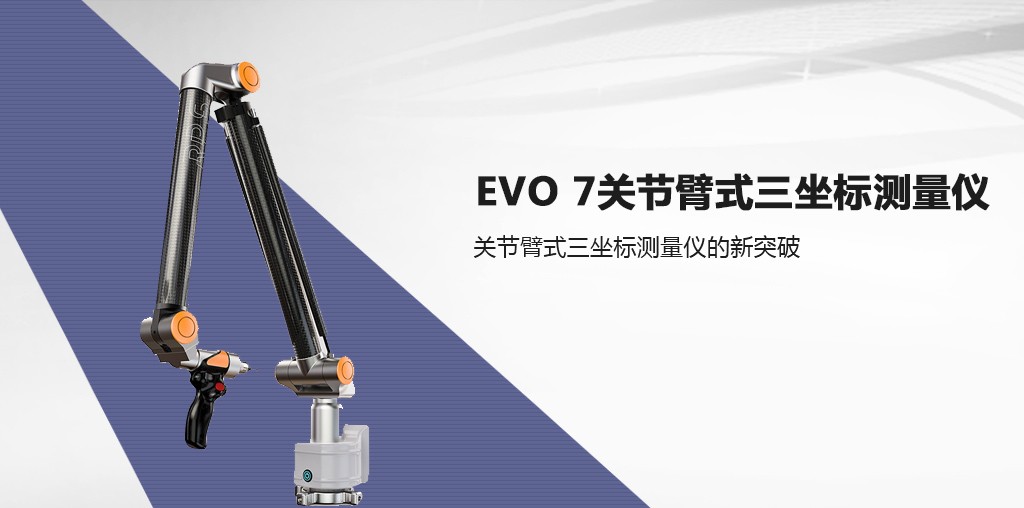
CNC machining
CNC machining (Computer Numerical Control machining) is a subtractive manufacturing process that utilizes pre-programmed computer software to control the movement of factory tools and machinery, enabling the precise removal of material from a workpiece to create complex, high-precision parts. Unlike manual machining—which relies on human operators to guide cutting tools—CNC machining automates the entire process through digital instructions (G-code), ensuring consistent accuracy, repeatability, and efficiency.
Widely regarded as the backbone of modern manufacturing, CNC machining is used across industries to produce everything from aerospace components and medical devices to automotive parts and consumer electronics. Its ability to work with a diverse range of materials (metals, plastics, composites) and achieve tight tolerances (as fine as ±0.001 inches) makes it indispensable for both prototyping and mass production.
The CNC machining process transforms a digital design into a physical part through a seamless integration of software, machinery, and precision tooling. Here’s a step-by-step breakdown:
CAD Model Creation: Engineers use Computer-Aided Design (CAD) software (e.g., AutoCAD, SolidWorks) to create a 3D digital model of the desired part, defining its geometry, dimensions, and features.
CAM Programming: The CAD model is imported into Computer-Aided Manufacturing (CAM) software (e.g., Mastercam, Fusion 360), where toolpaths are generated. CAM software translates the design into G-code and M-code—instructions that dictate the CNC machine’s movements (e.g., tool speed, feed rate, cutting depth) and auxiliary functions (e.g., coolant activation).
The raw workpiece (typically a block of metal, plastic, or composite) is secured to the CNC machine’s worktable using clamps, vices, or vacuum fixtures.
Cutting tools (e.g., drills, end mills, lathes) are selected based on the material and design requirements and loaded into the machine’s tool turret or spindle.
The CNC machine is calibrated to ensure the toolpaths align with the workpiece coordinates.
The CNC machine follows the G-code instructions to move the cutting tool along multiple axes (typically 3 to 5 axes) with micron-level precision. Common operations include:
Drilling: Creating holes of specific diameters and depths.
Milling: Removing material from the workpiece’s surface using rotating cutting tools to achieve flat, contoured, or complex geometries.
Turning: Rotating the workpiece against a stationary cutting tool (common in lathes) to produce cylindrical or symmetrical parts (e.g., shafts, pins).
The machine automatically adjusts tool speed, feed rate, and cooling (via lubricants or compressed air) to optimize cutting efficiency and prevent tool wear or material damage.
Post-machining processes (e.g., sanding, polishing, anodizing, or heat treatment) may be applied to enhance surface finish or material properties.
Parts are inspected using precision tools (e.g., calipers, micrometers, coordinate measuring machines/CMMs) to verify dimensions and tolerances, ensuring compliance with design specifications.
CNC machining encompasses a variety of processes, each tailored to specific material properties and part geometries:
CNC machining offers distinct benefits over traditional manual machining and other manufacturing methods:
Achieves tolerances as tight as ±0.001 inches (0.025 mm), ensuring consistency across thousands of identical parts.
Eliminates human error associated with manual operation, making it ideal for critical applications (e.g., aerospace, medical).
Compatible with a broad spectrum of materials, including:
Metals: Aluminum, steel (stainless, carbon), titanium, brass, copper, and hardened alloys.
Plastics: Acrylic, ABS, polycarbonate, nylon, PEEK, and PVC.
Composites: Carbon fiber, fiberglass, and engineered polymers.
Automates repetitive tasks, reducing production time compared to manual machining.
Scalable from one-off prototypes to large-volume production runs without compromising quality.
Multi-axis CNC machines (3-, 4-, or 5-axis) can produce intricate features (e.g., undercuts, curved internal channels, fine surface details) that are difficult or impossible with conventional methods.
Subtractive machining removes only the excess material, minimizing waste compared to additive processes (e.g., 3D printing).
Used in industries such as aerospace (engine components), automotive (transmission parts), medical (surgical instruments), electronics (connectors), and consumer goods (precision housings).
CNC machining is a cornerstone of modern manufacturing, with critical roles in:
Producing lightweight, high-strength components (e.g., turbine blades, structural brackets) with complex geometries and strict tolerances.
Manufacturing engine parts (pistons, crankshafts), transmission components, and custom car accessories (e.g., aluminum rims, interior panels).
Creating surgical tools (scalpels, forceps), implants (hip joints, dental crowns), and diagnostic equipment parts with biocompatible materials (e.g., titanium, PEEK).
Fabricating precision connectors, heat sinks, and enclosures for devices like smartphones, laptops, and industrial controllers.
Building gears, shafts, and housings for heavy-duty equipment (e.g., pumps, valves, robotics).
Crafting high-end products (e.g., watches, jewelry, custom knives) with intricate designs and premium finishes.
As technology evolves, CNC machining is advancing toward greater automation, intelligence, and integration:
Smart Manufacturing: Integration with IoT sensors and AI to monitor machine performance, predict tool wear, and optimize cutting parameters in real time.
Hybrid Manufacturing: Combining CNC machining with additive processes (e.g., 3D printing) to produce parts with complex cores and precise surface finishes.
Automation & Robotics: Use of robotic arms for tool changes, material handling, and quality inspection to reduce labor costs and downtime.
Cloud-Based CNC: Remote programming and monitoring of machines via cloud platforms, enabling collaborative production and global supply chain optimization.
Sustainable Practices: Adoption of energy-efficient machines, recycled materials, and minimized waste to align with green manufacturing goals.
CNC machining is a transformative manufacturing technology that combines precision, versatility, and efficiency to meet the demands of modern industry. From prototyping innovative designs to producing mission-critical components, its ability to deliver high-quality parts with tight tolerances and complex geometries makes it indispensable across sectors. As advancements in automation, materials, and digital integration continue, CNC machining will remain at the forefront of manufacturing innovation, driving progress in engineering, healthcare, and beyond.
CONTACT
3D Printing Solutions Founded in 2010 and headquartered in San Diego, California, 3D Printing Solutions is a global leader in additive manufacturing technology, renowned for its cutting-edge 3D printers, proprietary materials, and industry-leading customer support.
 18914229323
 huichangwen@126.com

Copyright © 2025