In modern printing and office printing, full-color printing is increasingly widely used. Whether it is commercial publicity materials, product packaging or educational materials, the accuracy of color is very important. Color accuracy not only affects the visual effect, but also directly affects the brand image and user experience. Therefore, how to effectively control the color accuracy of full-color printing has become the core issue of the printing industry.
First of all, the establishment of color management system is the basis to ensure color accuracy. A complete Color Management System, CMS) can ensure color consistency from design, screen display to final printout. By using ICC color profile, we can describe the color characteristics of monitors, scanners, printers and other devices, so as to achieve color matching between different devices. For full-color printing, it is especially important to use the correct ICC profile that matches the printer and paper type.
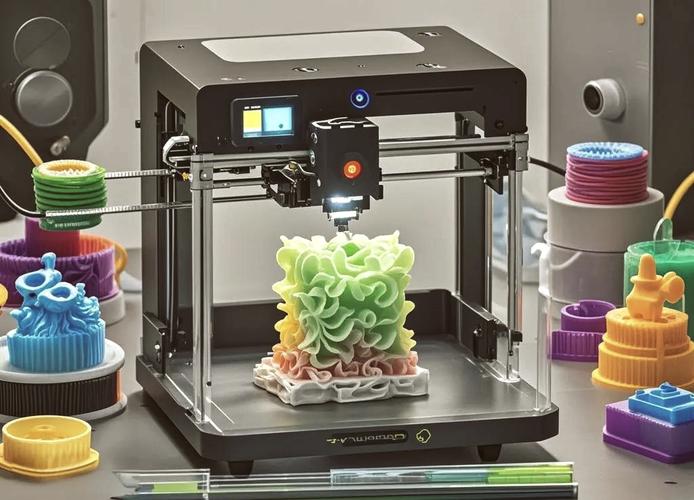
Secondly, the calibration and maintenance of printing equipment also directly affect the color performance. The state of the printer nozzle, the quality of ink and the cleanliness of the print head will all cause color deviation. Regular nozzle cleaning, color calibration test and ink replacement can effectively maintain the stability of printing color. In addition, high-end printing equipment is usually equipped with automatic color correction function, which can be fine-tuned according to the environment and materials before each printing to further improve the color accuracy.
Third, the choice of paper can not be ignored. Different kinds of paper have different absorption rate and reflectivity to ink, which further affects the final color performance. For example, glossy paper can present brighter colors, while matte paper has softer colors. Therefore, in full-color printing, we should choose the appropriate paper type according to the printing content and adjust the printer settings accordingly to achieve the best color effect.
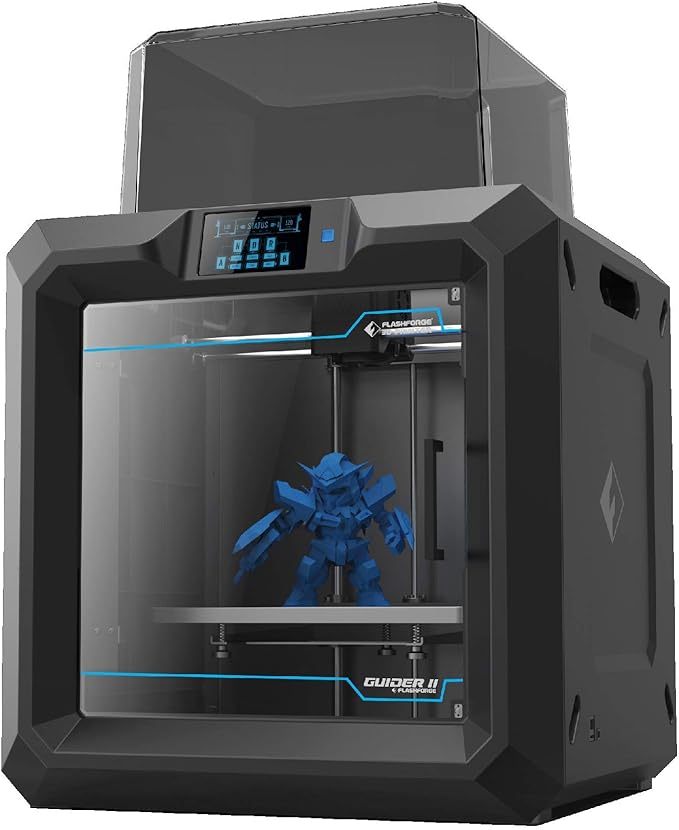
In addition, the color mode and resolution of the image source file will also affect the printed results. CMYK color mode should be used in the design stage to avoid color distortion in the process of RGB to CMYK conversion. At the same time, ensure that the resolution of pictures and graphics is not less than 300dpi, so as to avoid the problem of blurring or uneven color blocks when printing.
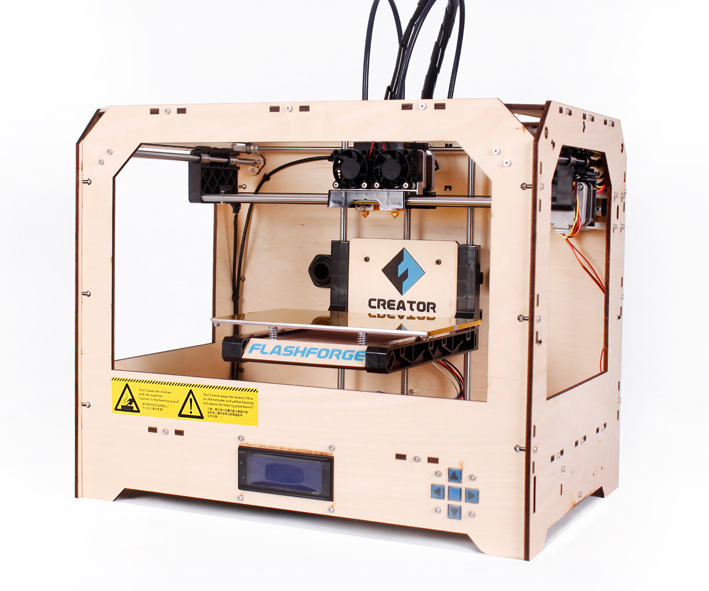
Finally, human factors can not be ignored. The operator's understanding of color management, experience in setting printing parameters, and the ability to review sample printing will directly affect the color quality of the final product. Therefore, enterprises should strengthen the professional training of relevant personnel and improve their ability of color recognition and adjustment.
To sum up, controlling the color accuracy of full-color printing is a systematic project, involving color management, hardware calibration, material selection, image processing and personnel quality. Only by strictly controlling every link can we achieve accurate color reproduction from screen to paper and improve the professional level and visual effect of printed works. With the continuous progress of technology, the future full-color printing will be more intelligent and automatic, and the color accuracy will reach a higher standard.

 Hotline:18914229323

 18914229323
 huichangwen@126.com