In modern manufacturing industry, especially in pharmaceutical, medical equipment, food and high-precision manufacturing industries, process verification is a vital quality assurance activity. Process verification refers to the scientific evidence to prove that the designed production process can continuously and stably produce products that meet the predetermined quality standards under the specified operating conditions. Its purpose is to ensure the consistency and repeatability of product quality, so as to meet the regulatory requirements and customer needs.
First, clear the purpose and scope of process verification
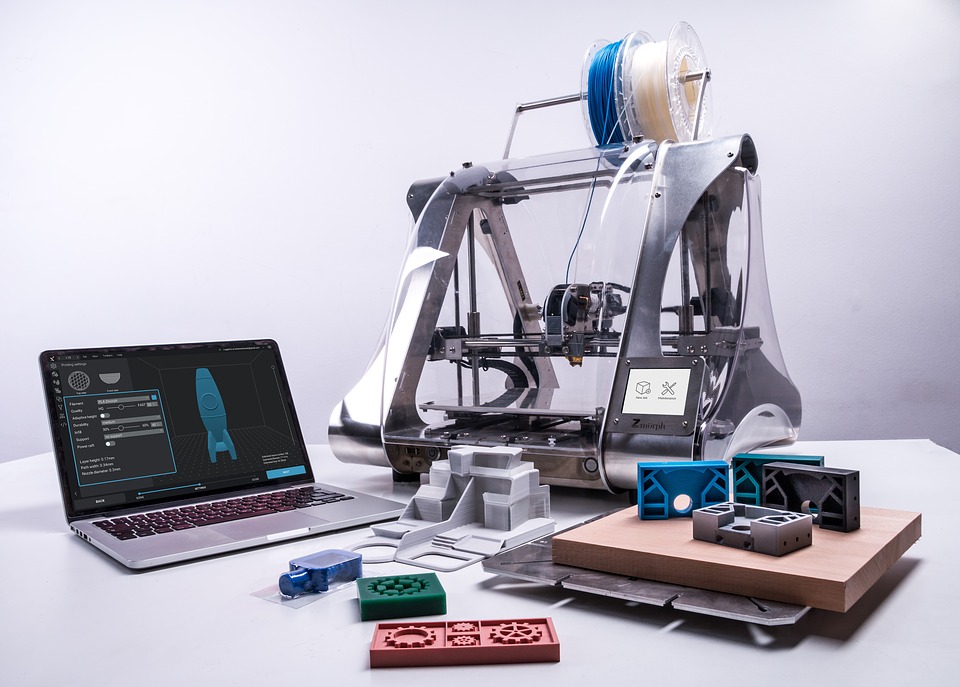
The first step of process verification is to clearly define the purpose and scope. This includes determining the verified product type, key quality attributes (CQA), key process parameters (CPP) and key steps in the production process. Only by clarifying these elements can we lay a solid foundation for the subsequent verification work.
Second, make process verification plan
The process verification scheme is the guiding document of the whole verification process. It shall include the following contents:
-Verification objectives and criteria;
-Process description and flow chart;
-Verification method (prospective verification, retrospective verification or synchronous verification);
-Identification of key quality attributes and key process parameters;
-Sample size, sampling plan and testing method;
-Acceptable standards;
-Division of responsibilities and timing;
-Data analysis methods and criteria for judging conclusions.
Relevant laws and regulations and industry guidelines, such as FDA, ICH Q8, ICH Q9 and China GMP, should be referred to when formulating the scheme.
Third, perform process verification
According to the verification scheme, organize relevant technical personnel, quality personnel and production personnel to jointly perform verification. Generally, it includes the following steps:
1. Pre-verification stage: confirm that the equipment, facilities and methods meet the requirements and ensure that the process has verification conditions;
2. Process performance qualification (PPQ): run the process under simulated or actual production conditions and collect key data;
3. Data collection and analysis: detect the key quality attributes of products and evaluate the stability of process parameters;
4. Deviation investigation and handling: If any abnormality is found during verification, the reasons shall be investigated in time and corrective measures shall be taken.
Fourth, write a verification report
After completing the verification, a complete verification report shall be written, which shall include:
-Overview of the verification process;
-Data collected and analysis results;
-Whether it meets the predetermined acceptance criteria;
-Deviation and treatment;
-Conclusions and recommendations.
The verification report shall be reviewed and approved by relevant departments as the basis for subsequent process changes or re-verification.
V. Continuous monitoring and revalidation
Process verification is not a one-time activity, but a continuous process. Enterprises should establish a continuous monitoring mechanism for process performance and regularly evaluate the stability and consistency of the process. When the process has undergone major changes, it needs to be re-verified to ensure that the changed process can still meet the quality requirements.
tag
Process verification is not only an important part of quality management, but also a key means to ensure product quality and enhance the competitiveness of enterprises. Through systematic and standardized verification process, enterprises can effectively reduce production risks, improve customer satisfaction, and meet increasingly strict regulatory requirements. Therefore, enterprises should attach great importance to the development of process verification in their daily operations and constantly optimize the verification strategies and methods.

 Hotline:18914229323

 18914229323
 huichangwen@126.com