Failure analysis is a vital technical activity in the engineering field, which is widely used in many industries such as machinery, electronics, aerospace, automobile manufacturing, construction and so on. Its core goal is to find out the reasons for the failure of products or systems in use and put forward corresponding improvement measures to prevent similar problems from happening again. Effective failure analysis can not only improve product quality and reliability, but also reduce maintenance costs, ensure personnel safety and enhance the market competitiveness of enterprises.
First, the basic process of failure analysis
To carry out failure analysis scientifically and systematically, it is usually necessary to follow the following basic steps:
1. Failure information collection and site investigation
Before the analysis begins, relevant information of failure events should be collected, including equipment operation parameters, use environment, failure time, operation records, maintenance history, etc. At the same time, the failure site should be investigated on the spot, and the macroscopic characteristics of the failure site should be recorded by taking photos to avoid destroying the original state.
2. Failure mode identification
According to the collected information and field observation, the failure modes, such as fracture, corrosion, wear and fatigue, are preliminarily judged. This step is helpful to narrow the scope of analysis and provide direction for further in-depth analysis.
3. Sample collection and protection
For key components, failure samples should be collected according to standard procedures, and appropriate measures should be taken to prevent secondary damage or pollution to ensure the accuracy of subsequent test results.
4. Macro and micro analysis
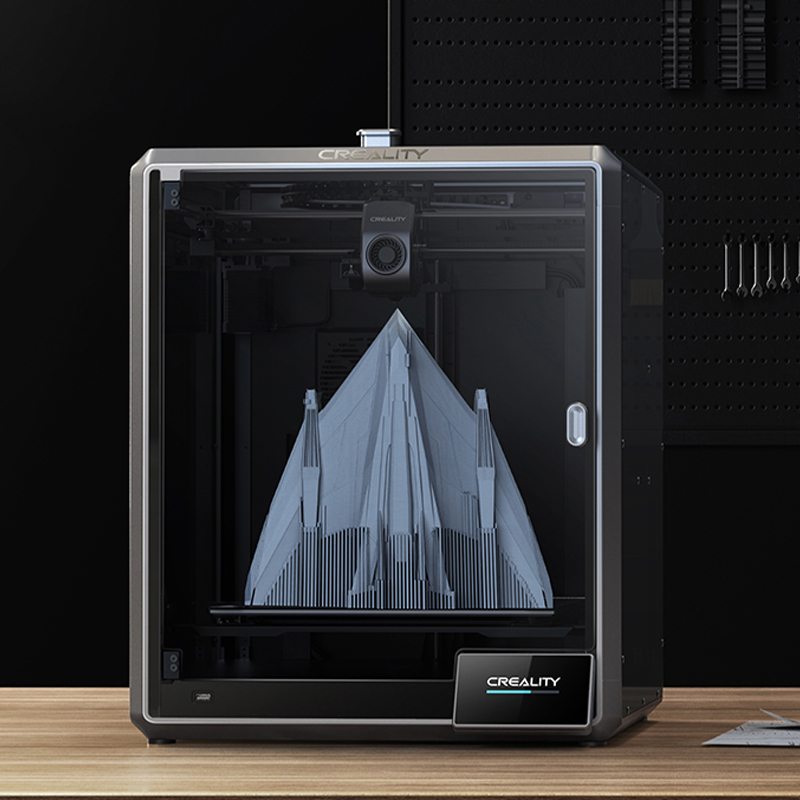
Macroscopic and microscopic observations were made on the failed samples by naked eye, magnifying glass, optical microscope, scanning electron microscope (SEM) and other tools, and information such as crack propagation path, fracture morphology and material structure changes were analyzed.
5. Material performance testing
Through chemical composition analysis (such as spectral analysis), mechanical properties test (such as hardness, tensile strength and impact), metallographic analysis, etc., whether the material meets the design requirements, whether there are defects or abnormal performance is evaluated.
6. Stress and simulation analysis
The finite element analysis software (such as ANSYS) is used to simulate the stress of the structure and evaluate whether there is a stress concentration area in actual use and whether it exceeds the bearing capacity of the material.
7. Comprehensive judgment and failure mechanism analysis
Combined with the above analysis results, the root causes of failure are comprehensively judged, such as design defects, improper processing, material problems, improper use and environmental factors.
8. Put forward improvement suggestions and preventive measures.
According to the failure reasons, the targeted improvement scheme is formulated, including optimizing design, strengthening quality control, improving the use environment, perfecting operation procedures, etc., and verification and feedback are carried out.
Second, the problems that should be paid attention to in carrying out failure analysis
In practice, we must pay attention to the following points:
-The analysis process should be scientific and rigorous, avoiding subjective assumptions;
-Maintain the integrity of evidence and prevent samples from being contaminated or damaged;
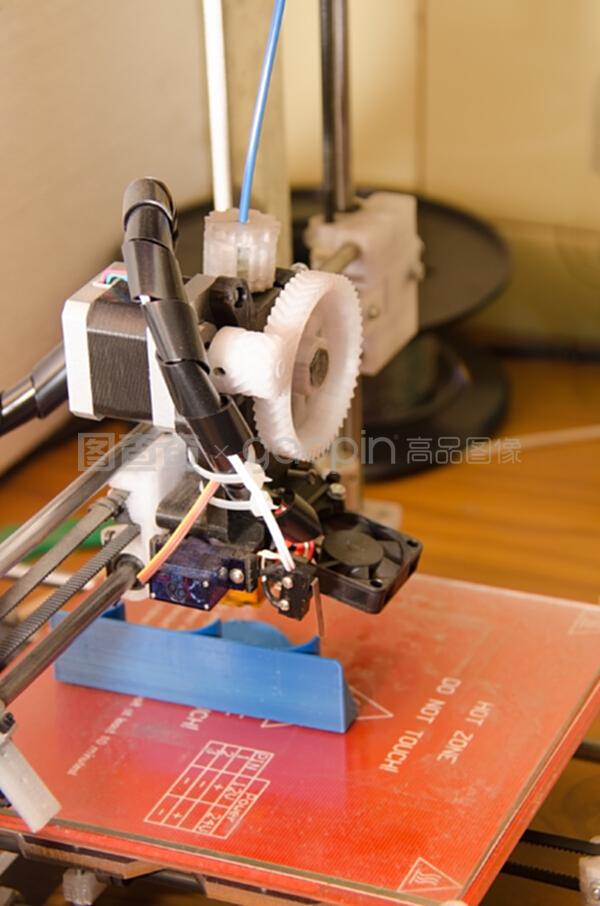
-Multidisciplinary cooperation, integrating knowledge of materials, structure, technology and environment;
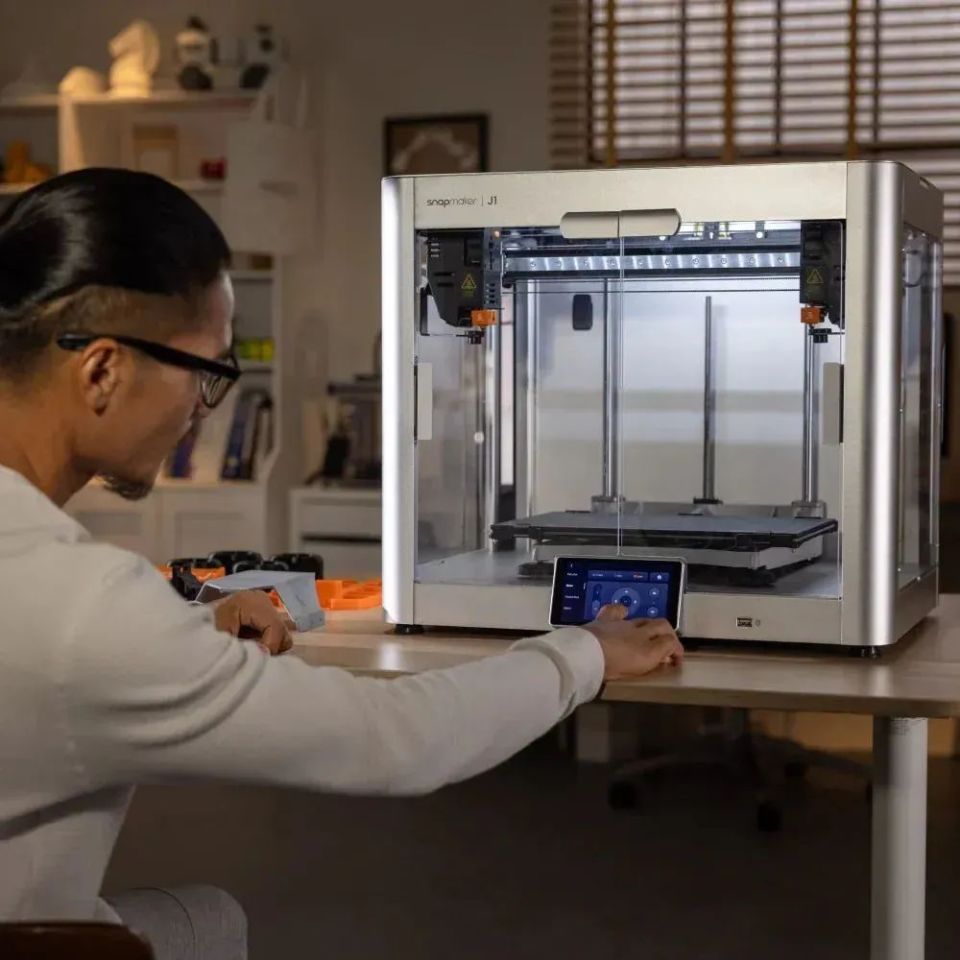
-Pay attention to experience accumulation and case summary to improve the efficiency and accuracy of analysis.
Third, the conclusion
Failure analysis is a systematic and highly technical work, which requires not only solid professional knowledge, but also rigorous work attitude and rich practical experience. With the increasing complexity of modern industrial products, the requirements for failure analysis are also increasing. Enterprises should attach importance to the construction of failure analysis ability, improve the overall quality management level through continuous learning and technological innovation, so as to achieve sustainable development.

 Hotline:18914229323

 18914229323
 huichangwen@126.com