Warping is a common printing defect in the process of 3D printing, which is mainly manifested in that the edges or corners of printed parts are tilted upward and out of contact with the printing platform. This not only affects the appearance quality of the model, but also may lead to printing failure. Edge warping usually occurs when thermoplastic materials such as ABS and PLA are used, especially when the temperature of the printing platform is improperly controlled or the platform is uneven. This paper will introduce the causes of edge warping in 3D printing, and provide several effective preventive measures.
First, the causes of warping
1. Uneven cooling: Plastic material will shrink during cooling. If the cooling rates at the bottom and top of the model are inconsistent, it will lead to uneven internal stress, which will lead to edge warping.
2. Improper printing platform temperature: Different materials need different platform temperatures. For example, ABS needs a high platform temperature (about 110℃) to keep the bottom temperature stable; PLA is generally at 50-60℃. Too low temperature will aggravate the shrinkage of materials.
3. The platform is uneven or improperly cleaned: if the printing platform is uneven, or there is oil stain and dust on the surface, the bottom of the model can't fit the platform well, and it is easy to become warped.
4. Wrong nozzle height setting: If the height of the first layer is not suitable, it will lead to insufficient adhesion between layers.
Second, effective methods to avoid warping
# 1. Keep the printing platform level and clean
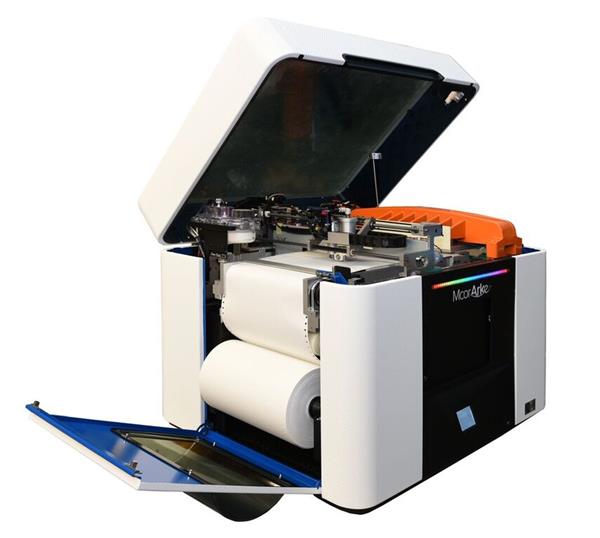
Make sure that the Build Plate has been leveled before starting printing. Use paper or leveling sheet to check whether the distance between the nozzle and the platform is uniform. In addition, the platform surface should be cleaned regularly to remove impurities such as grease and dust. For glass plate or PEI plate, isopropanol can be used to wipe; For platforms with glue or blue tape, they should also be kept clean and sticky.
# 2. Use appropriate platform temperature
Choosing the appropriate platform temperature according to the materials used is the key to prevent edge warping. For example:
- PLA:50–60℃;
- ABS:100–110℃;
- PETG:70–80℃。
Keeping the platform at constant temperature is helpful to slow down the shrinkage of materials and improve the adhesion between layers.
# 3. Use the enclosed printing chamber or heating chamber.
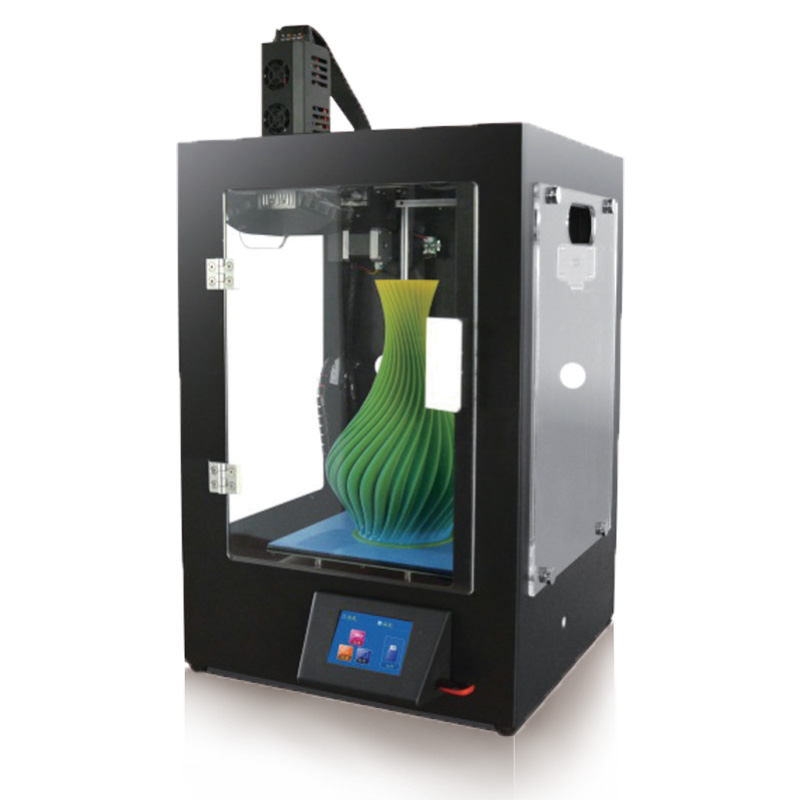
The enclosed printing cabin can keep the temperature of the printing environment stable and avoid temperature fluctuation caused by external airflow. For high shrinkage materials (such as ABS), the use of heating chamber can significantly reduce the problem of edge warping.
# 4. Add edge structure: Raft)/ Brim)/ Skirt.
Turning on the "Brim" function in slicing software can make the printer print one or more auxiliary lines around the model, thus enhancing the bonding force between the bottom of the model and the platform. Raft, on the other hand, prints one or more additional structures at the bottom of the model to improve the adhesion, but it will increase the material consumption.
# 5. Use special printing plate or veneer material.
Using printed boards with good adhesion, such as PEI board, glass board with glue, or flexible board with heating function, can effectively enhance the adhesion of the first layer. In addition, blue tape is also widely used to improve the adhesion effect of PLA, ABS and other materials.
# 6. Optimize printing speed and cooling fan settings
Reducing the printing speed of the first layer will help the material to fit the platform better. At the same time, at the beginning of printing, turn off or reduce the speed of the cooling fan to keep the material at a high temperature, thus reducing the cooling shrinkage.
---
tag
Edge warping is one of the important factors that affect the quality of 3D printing, but this problem can be effectively avoided through reasonable platform leveling, temperature control, environment optimization and auxiliary structure setting. Mastering these skills can not only improve the success rate of printing, but also significantly improve the accuracy and aesthetics of printed products. With the continuous development of 3D printing technology, more and more materials and equipment are constantly optimized, and it is believed that the future printing process will be more efficient and stable.

 Hotline:18914229323

 18914229323
 huichangwen@126.com