With the continuous progress of science and technology, 3D printing technology has been widely used in education, medical care, manufacturing, architecture and other fields. However, for many beginners or ordinary users, they often encounter problems of "printing failure" in the process of using 3D printers, such as model deformation, interlayer dislocation and insufficient adhesion. These problems not only waste materials and time, but also affect the experience. So, how can we effectively avoid the failure in the process of 3D printing? The following will be analyzed from several key aspects.
First, ensure that the printing platform is flat and clean.
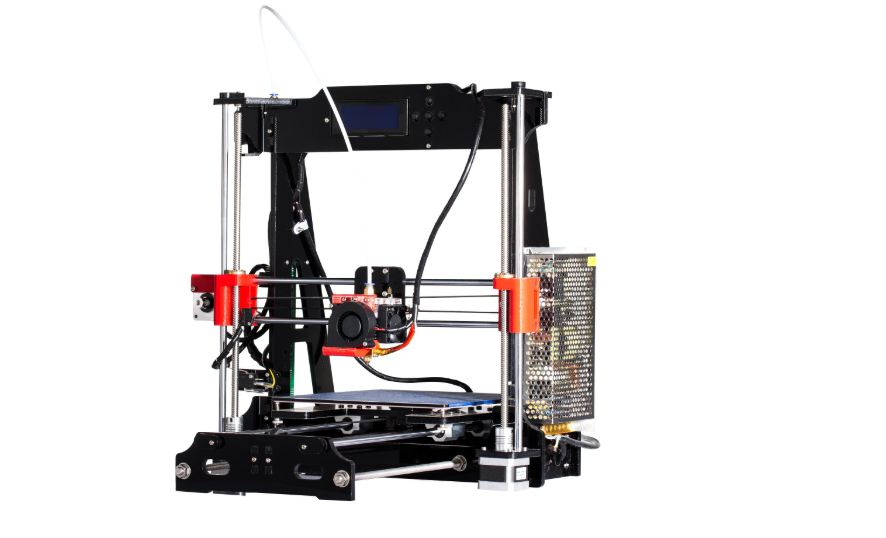
The smoothness and cleanliness of the printing platform is the first hurdle that affects the success or failure of printing. If the platform is uneven, the bottom of the model will be uneven or even unable to attach normally. Therefore, the platform should be carefully leveled before printing, and manual leveling or automatic leveling can be used. At the same time, the surface of the platform should be kept clean to avoid oil pollution or dust affecting the adhesion. It is also helpful to improve the adhesion effect of the model by using glass plate, PE plate or coating glue and special spray.
Second, set the nozzle height and temperature reasonably.
The distance between the nozzle and the platform directly affects the printing quality of the first layer. If the distance is too large, the material cannot be effectively adhered; If it is too small, it may block the nozzle or scratch the platform. It is recommended to calibrate the nozzle height before each printing.
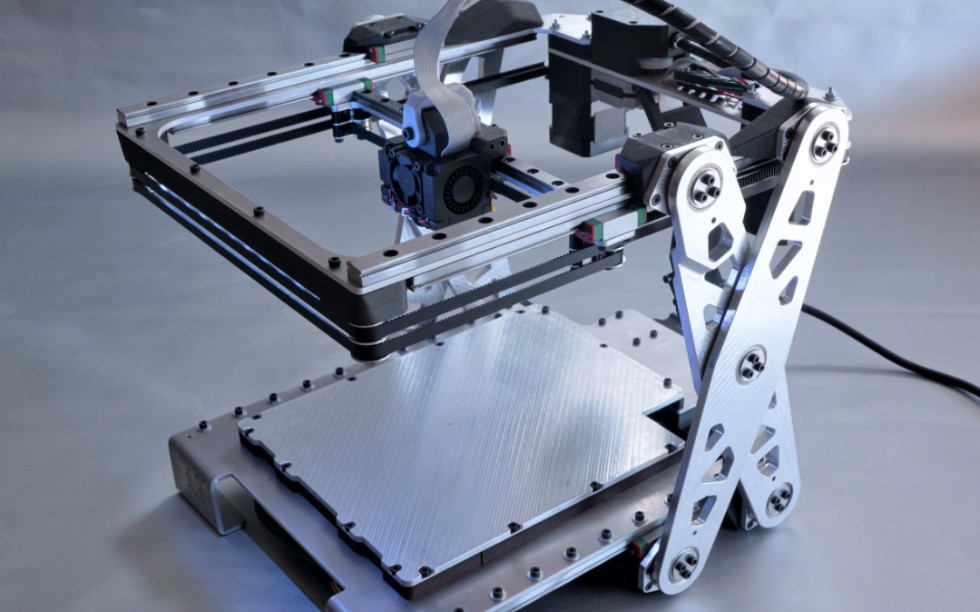
In addition, different materials have different requirements for temperature. For example, PLA material is suitable for printing between 190℃ and 210℃, while ABS needs higher temperature (220℃~250℃) and heating platform (usually 100℃~110℃). Setting a suitable printing temperature is helpful to the smooth extrusion of materials and enhance the interlayer bonding force.
Third, choose the appropriate printing parameters
Printing speed, filling rate, layer thickness and other parameters will affect the printing quality. Excessive printing speed may cause the material not to be cooled in time or extruded unevenly, thus causing staggered layers or deformation. Beginners suggest starting at a lower speed and gradually adjusting to the best state. At the same time, properly increasing the filling rate and using a lower layer thickness can improve the strength and accuracy of the model, but it will also increase the printing time.
Fourth, to ensure good environmental conditions
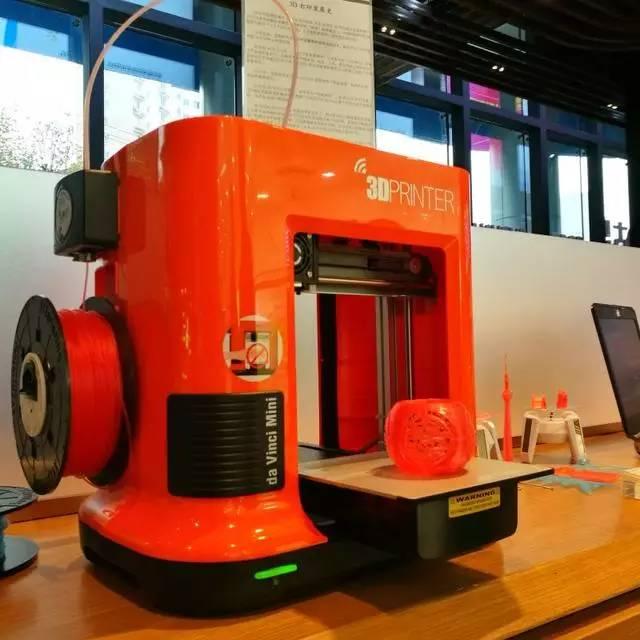
Printing environment is particularly important for some materials (such as ABS). In the printing process, direct air blowing should be avoided as far as possible to prevent the model from cooling too fast and causing edge warping or cracking. Some high-end printers are equipped with closed cavities or heating chambers, which can effectively maintain a stable temperature. In addition, air humidity will also affect the quality of materials, especially some materials with strong hygroscopicity (such as nylon), which should be properly preserved to prevent moisture.
Five, regular maintenance and inspection of equipment
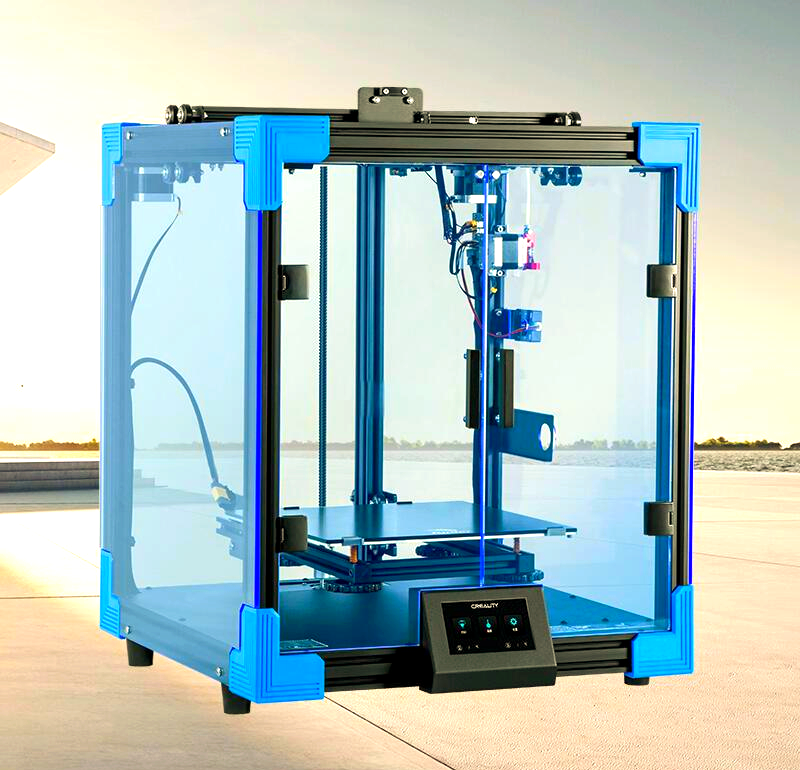
The stability of the equipment is also an important guarantee for successful printing. Regularly check whether the guide rail, belt and nozzle are unobstructed, whether the fan works normally and whether the power supply is stable. Looseness or wear of any mechanical parts may lead to printing failure.
To sum up, to avoid the failure of 3D printing, we need to start with platform leveling, temperature control, parameter setting, environmental management and equipment maintenance. Through continuous practice and optimization, users can significantly improve the success rate of printing and give full play to the potential of 3D printing technology.

 Hotline:18914229323

 18914229323
 huichangwen@126.com