With the rapid development of 3D printing technology, it is increasingly widely used in high-precision fields such as aerospace, automobile manufacturing and medical devices. However, 3D printed parts often have problems such as internal stress, uneven microstructure and high porosity, which will directly affect the mechanical properties and service performance of the parts. Therefore, as an effective post-processing method, heat treatment plays an important role in improving the performance of 3D printed parts.
Heat treatment is a technological method to change the microstructure of materials by controlling the heating, heat preservation and cooling processes, so as to improve the mechanical properties and stabilize the size. For 3D printed parts, common heat treatment methods include Stress Relief Annealing, Solution Treatment, Aging treatment and Hot Isostatic Pressing, HIP).
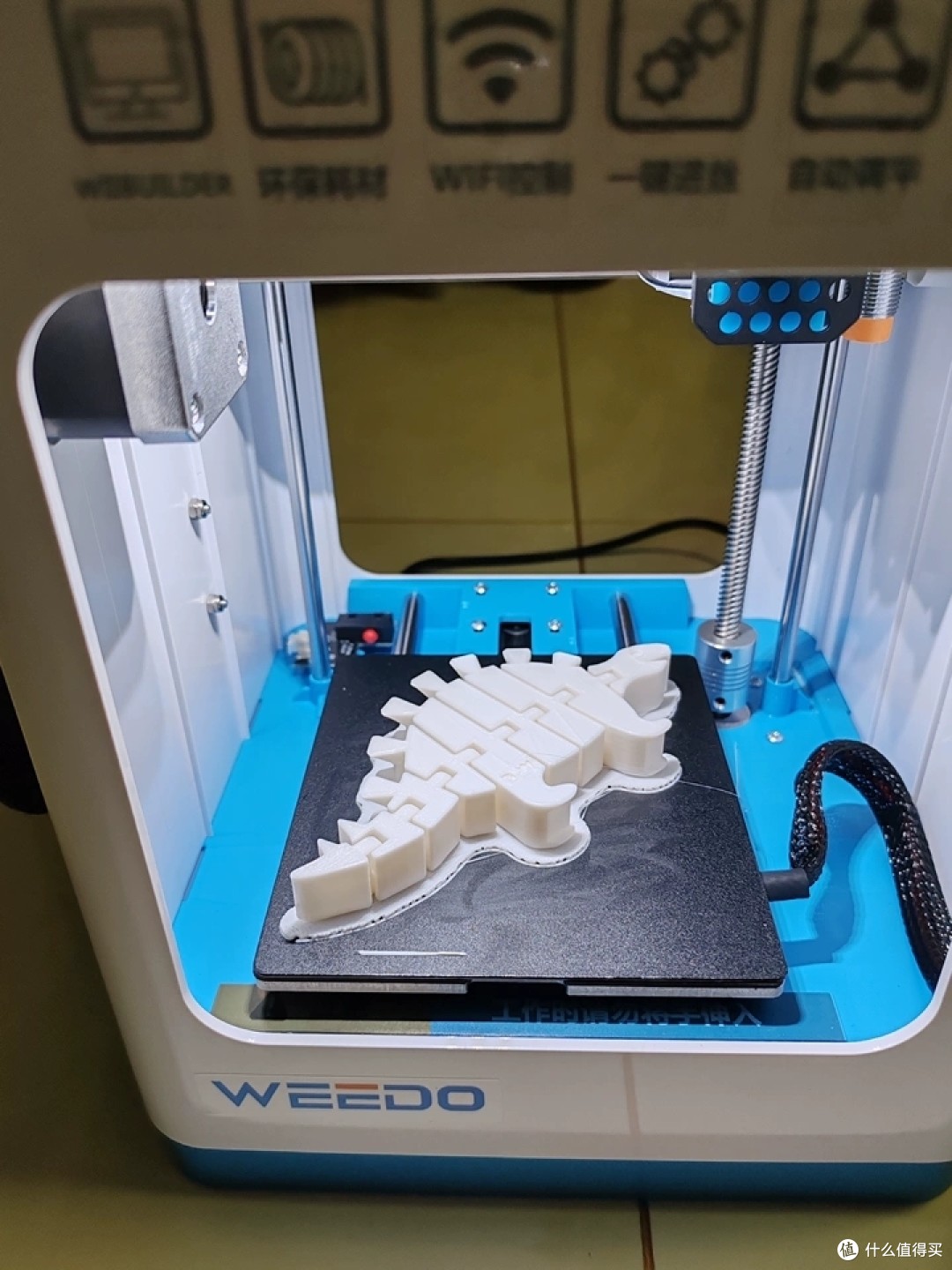
First of all, stress relief annealing is the most commonly used heat treatment process, which is mainly used to eliminate the residual stress caused by rapid heating and cooling during 3D printing. These stresses may cause deformation or cracking of parts. Stress relief annealing is generally carried out below the phase transition temperature of the material. For example, titanium alloy is usually kept at 600-700℃ for a period of time and then cooled slowly, thus effectively reducing the internal stress and improving the dimensional stability.
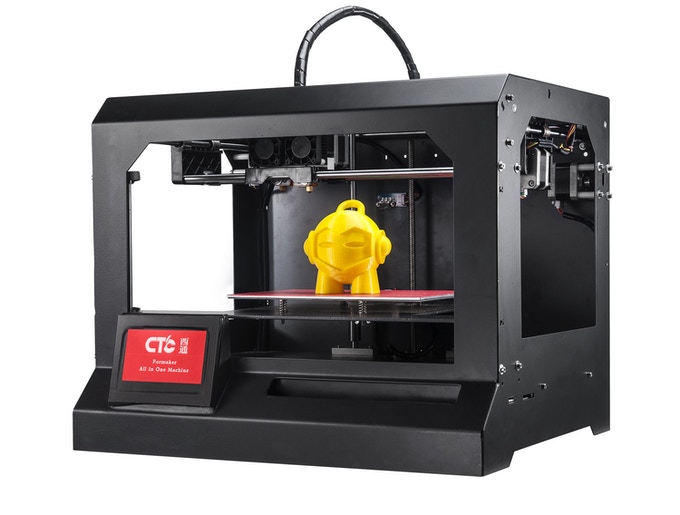
Secondly, solution treatment and aging treatment are often used to strengthen materials such as aluminum alloy and nickel-based superalloy. Solution treatment makes the alloy elements dissolve evenly in the matrix by heating the material to a high temperature and cooling it quickly; Then aging treatment is carried out, and the temperature is kept at a lower temperature to promote the precipitation of the second phase, thus enhancing the strength and hardness of the material. For example, after T6 heat treatment (solid solution+artificial aging), the tensile strength of 3D printed parts of AlSi10Mg alloy can be improved by more than 20%.
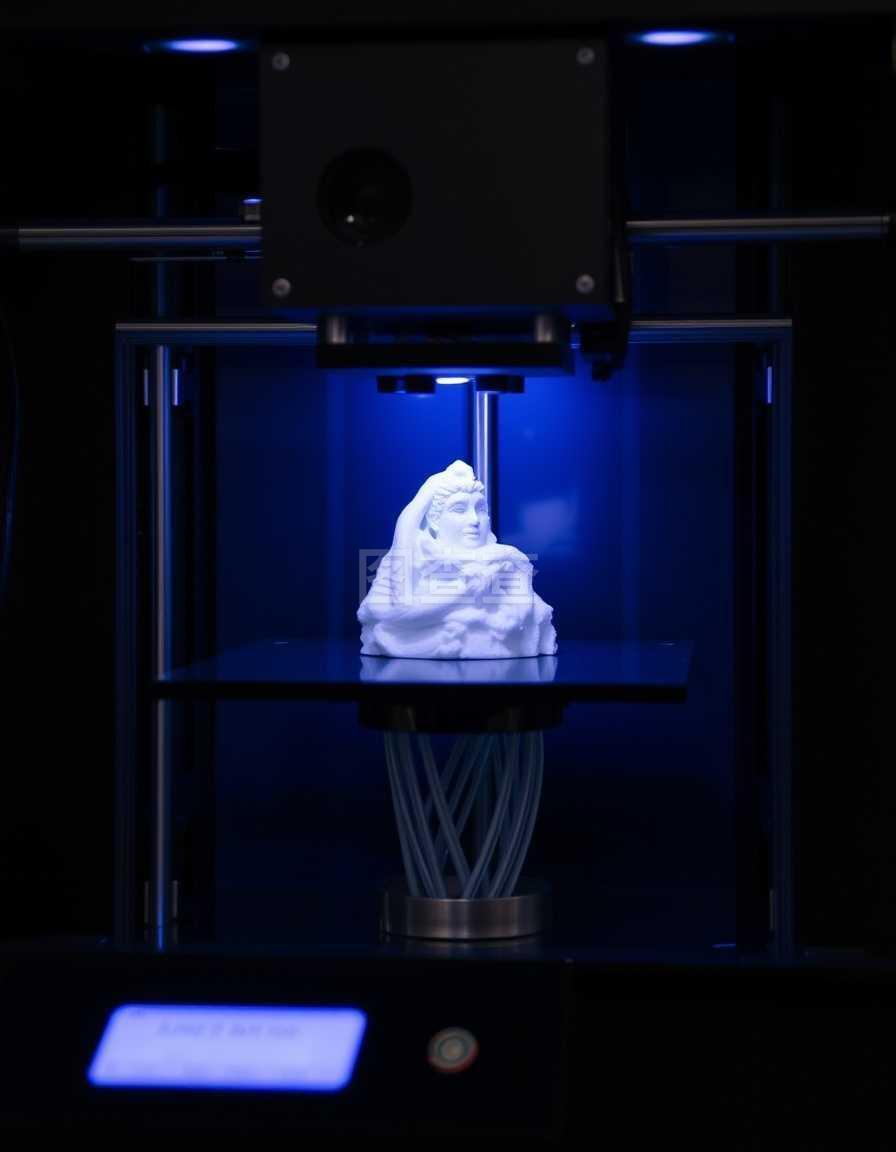
In addition, hot isostatic pressing (HIP) is a high-pressure and high-temperature treatment technology, which is especially suitable for eliminating micropores and unfused defects in 3D printed metal parts. By treating the parts at high temperature and isostatic pressing, not only the porosity can be significantly reduced, but also the grain structure can be homogenized, and the density and fatigue strength of the materials can be greatly improved. HIP technology is widely used in aerospace and other fields with high reliability requirements.
In a word, heat treatment, as an important part of post-processing of 3D printed parts, plays an irreplaceable role in improving mechanical properties, reducing deformation and improving organizational structure. In the future, with the continuous emergence of new materials and printing processes, customized heat treatment processes for different material systems and application requirements will become the focus of research and application.

 Hotline:18914229323

 18914229323
 huichangwen@126.com