With the continuous development of 3D printing technology, more and more enthusiasts and professional users begin to pay attention to printing quality and printing efficiency. Among many factors that affect printing quality, the choice of printing bed material is particularly critical. Printing bed is not only the foundation of model forming, but also directly affects the adhesion, heat dissipation effect and the difficulty of peeling off the finished product. Therefore, it is of great significance to choose the printing bed material reasonably to improve the success rate and effect of 3D printing.
At present, the common printing bed materials on the market mainly include glass plate, PE plate (polyethylene), PEI plate (polyetherimide), BuildTak, metal plate and coated printing platform. Each material has its own characteristics and applicable scenes.
1. Glass plate is one of the most common printing bed materials, which has the advantages of flat surface, good thermal conductivity and easy cleaning. It is suitable for printing most PLA, ABS and other materials, especially when it is used with a heating bed. However, the glass is brittle and easily broken, and care should be taken when peeling off the model after printing to avoid scratching the surface or hurting hands.
2. PE board has good adhesion, especially suitable for printing flexible materials such as TPU. Its surface is soft and difficult to scratch, but its disadvantage is poor thermal conductivity and easy to deform when printing high-temperature materials.
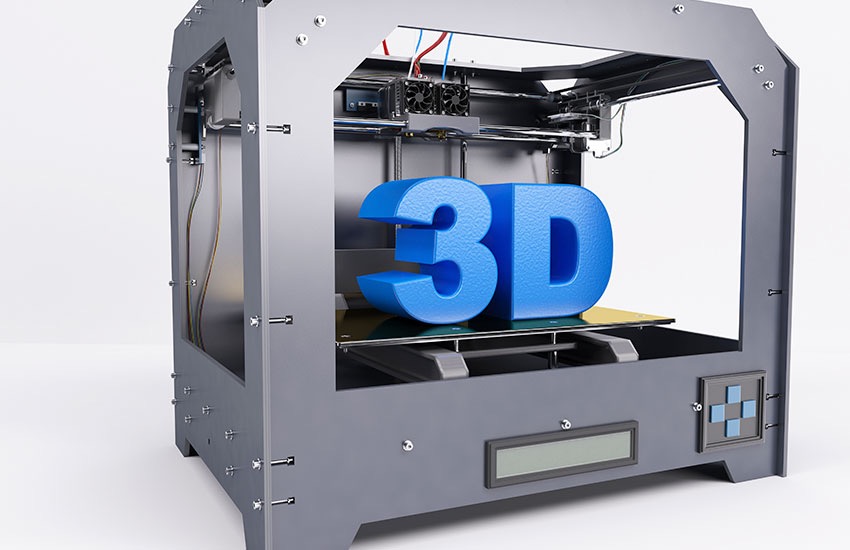
3. PEI board is a kind of high-performance engineering plastic, which is widely used in industrial 3D printing equipment. It has excellent thermal stability and adhesion, and is suitable for almost all common printing materials, and does not need extra glue or platform coating. However, PEI board is expensive, so it is necessary to avoid using metal scraper in daily use to avoid scratching the surface.
4. BuildTak is a printing platform imitating PEI, which has good adhesion and is suitable for various materials. Its surface is similar to rubber and has certain elasticity, but it is prone to wear or aging after long-term use and needs to be replaced regularly.
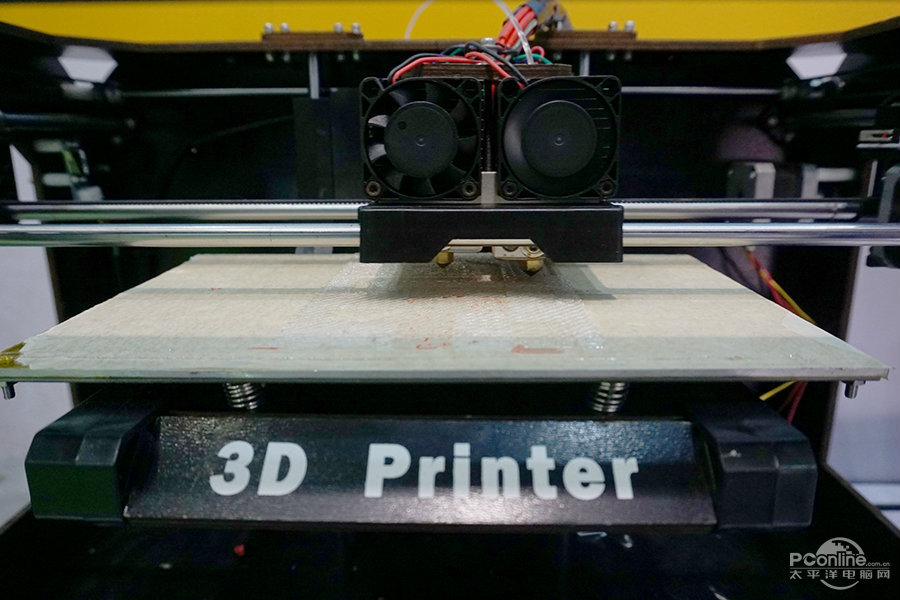
In addition, there are some metal printing beds (such as aluminum platforms) used with various coatings, giving consideration to thermal conductivity and durability. They are often used in professional equipment and are suitable for printing tasks that require high precision control.
When selecting the printing bed material, we should comprehensively consider the following aspects: the type of printing materials (such as PLA, ABS, PETG, TPU, etc.), printing temperature, whether it is necessary to heat the platform, and personal usage habits and post-maintenance ability. For example, when printing ABS materials, higher bed temperature is usually needed, and better adhesion effect can be obtained with PEI or coated glass plate; Flexible materials such as printed TPU are more suitable for using PE board or BuildTak with certain elasticity.
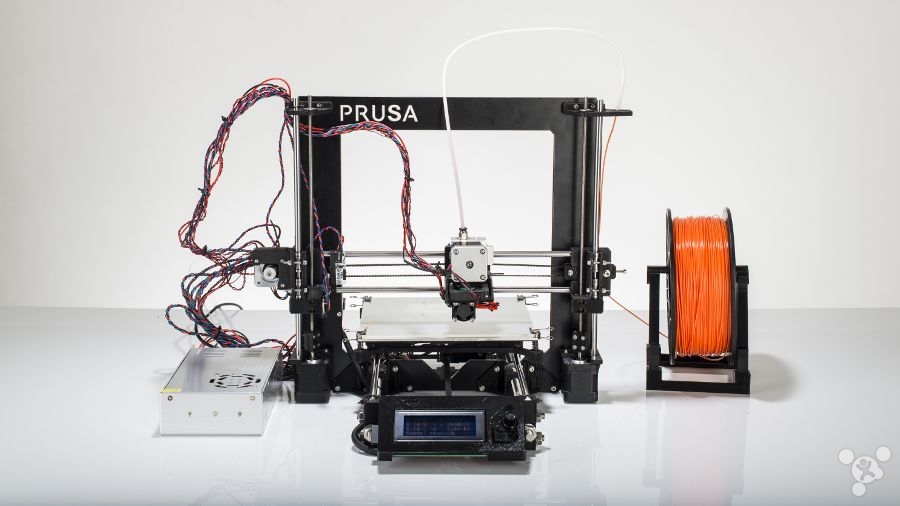
Generally speaking, no printing bed material is "all-purpose", and users should choose according to their actual needs. In practice, you can also try to combine different platforms and coatings to find the most suitable printing scheme, thus improving the printing success rate and the quality of finished products.
Choosing the right printing bed material is an important part of improving the 3D printing experience and the only way to professional printing.

 Hotline:18914229323

 18914229323
 huichangwen@126.com