In the process of 3D printing, in order to ensure the structural stability of the model when printing, especially when dealing with suspended structures, complex surfaces or chamfers, it is usually necessary to add supporting structures. Although these supporting structures play a key role in the printing process, they must be removed after printing to obtain the final product. Removing the supporting structure is an important part of 3D printing post-processing, which not only affects the appearance of the finished product, but also may affect its function and strength. This paper will introduce several common methods of removing supporting structures and provide some practical suggestions.
First, understand the types of supporting structures
Before you begin to remove braces, you need to know the type of braces used. Common supporting structures are as follows:
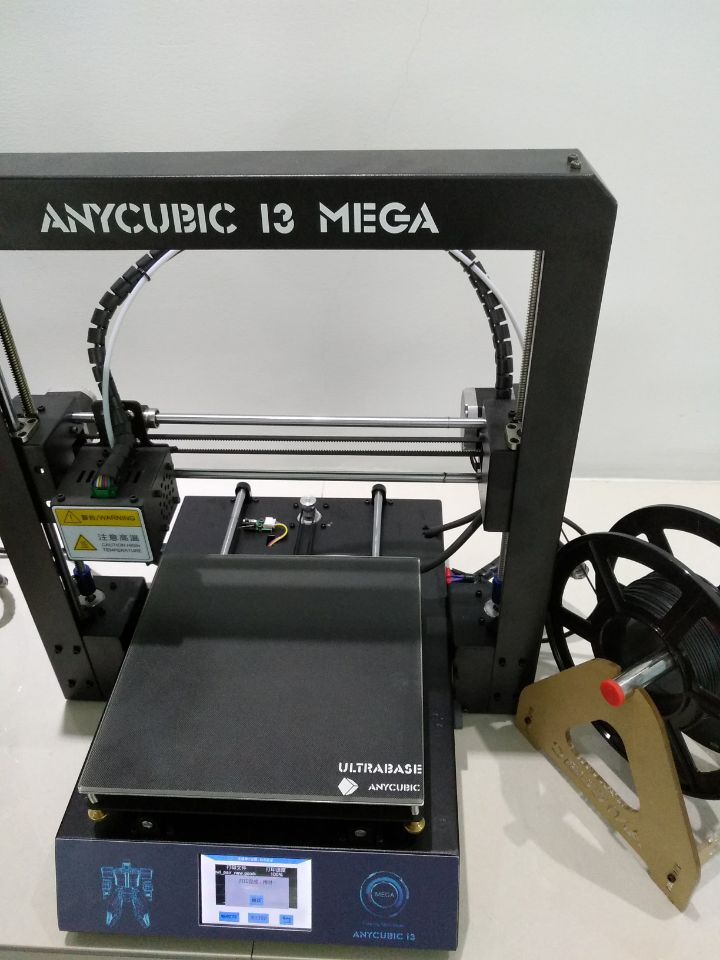
1. Normal Support: closely combined with the main body of the model, usually used for PLA, ABS and other materials.
2. Soluble Support: use soluble materials such as PVA or HIPS to print, which is suitable for printers with complex structures or double nozzles.
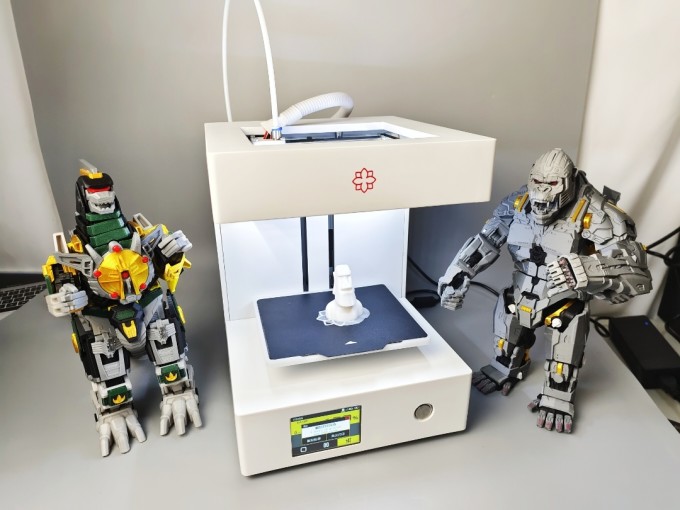
3. Tree Support: It imitates dendritic distribution and has fewer contact points, which is suitable for models with high requirements for details.
Different types of supporting structures correspond to different removal methods, and choosing the appropriate method can improve efficiency and reduce the damage to the model.
Second, manually remove the supporting structure
This is the most common and direct method, which is suitable for ordinary supporting structures and tree supporting structures. Specific operations include:
-Use tweezers or needle-nosed pliers to peel gently: it is suitable for the case that the support is not tightly connected with the model.
-Carefully cut with a knife or carving knife: used in the case of tight adhesion between the supporting structure and the model. Be especially careful when operating to avoid scratching the surface of the model.
-Polishing treatment: Use sandpaper or polishing tools to smooth the remaining support marks and improve the surface quality of the model.
This method has low cost, but it takes a long time and has certain requirements for the operator's technology.
3. Dissolve the support with water or chemical solution.
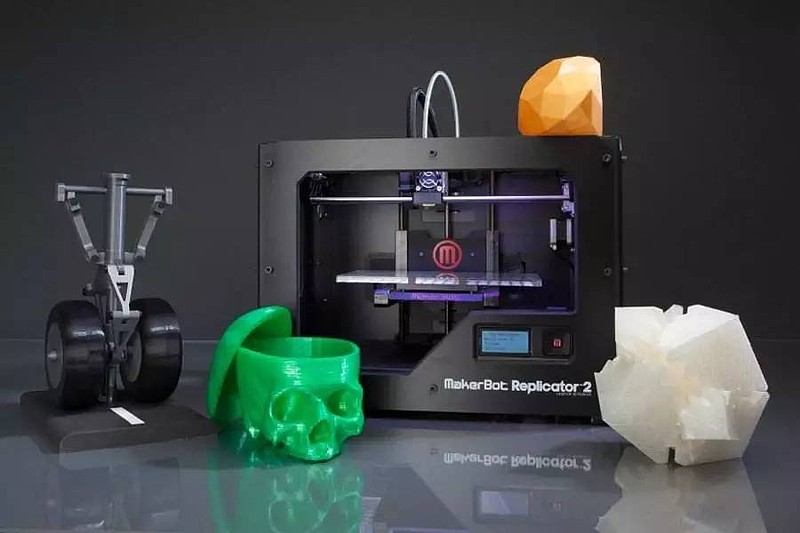
For the support structure made of soluble materials (such as PVA or HIPS), it can be dissolved by soaking in a specific solution:
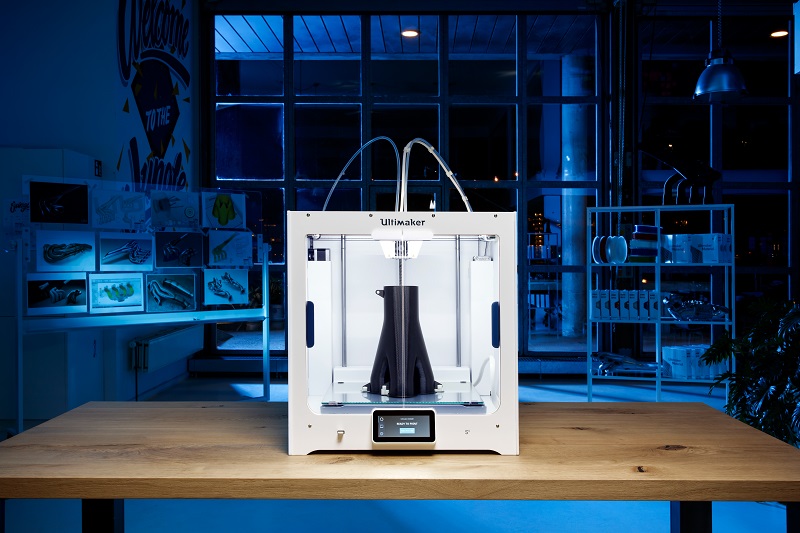
-PVA support: soluble in warm water, usually takes several hours to a day, and proper stirring can speed up the dissolution.
-HIPS support: It needs to be dissolved by limonene and other specific solvents, and the process is relatively complicated, so attention should be paid to ventilation and safety protection.
This method can effectively remove the support of complex parts, but it needs some time and equipment support.
Fourth, optimize the design and printing parameters to reduce the use of support
Although it is necessary to remove the support, the usage of the support structure can be effectively reduced by optimizing the design and printing settings:
-Try to avoid too many suspended structures in the model design stage;
-Use the setting of "support angle" in slicing software (such as Cura, PrusaSlicer) to reasonably control the range of support generation;
-Try to use tree support instead of traditional support to reduce contact surface and printing time.
tag
Removing the supporting structure of 3D printed parts is a step that can't be ignored in post-printing processing. Choosing the appropriate method can not only protect the integrity of the model, but also save time and energy. Whether it is manual removal or chemical dissolution, each method has its applicable scenarios and advantages and disadvantages. With the continuous development of 3D printing technology, there may be more intelligent and efficient support removal methods in the future, which will make 3D printing more convenient and efficient.

 Hotline:18914229323

 18914229323
 huichangwen@126.com