With the continuous development of 3D printing technology, the choice of printing materials is increasingly diversified. As a new material with the advantages of light weight, high strength and corrosion resistance, composite materials are gradually becoming an important part in the field of 3D printing. This paper will discuss the printing principle, common types and application potential of composite materials in various industries.
1. What is a composite material?
Composite materials are composed of two or more materials with different properties, which usually include matrix (such as resin) and reinforcement (such as carbon fiber, glass fiber and metal powder). Its purpose is to combine the advantages of their respective materials to achieve complementary performance, so as to meet specific engineering needs.
Second, the basic principle of 3D printing of composite materials
Similar to traditional 3D printing, composite printing mainly adopts mainstream technologies such as fused deposition molding (FDM), selective laser sintering (SLS) and light curing (SLA). The difference is that the printing consumables used are composite silk or powder.
1. FDM technology: This is the most common printing method for composite materials. Composite materials are made into filaments, which are melted by a heating nozzle and then piled up layer by layer. For example, carbon fiber reinforced PLA or nylon filament is a common composite material in FDM printing.
2. SLS technology: suitable for powdery composite materials. The powder particles are selectively sintered by high-energy laser beam, and the final parts are formed by stacking layer by layer.
3. SLA technology: By photo-curing the resin containing ceramic or metal particles, a high-precision composite structure can be printed.
Three, common composite materials and performance characteristics
-Carbon fiber reinforced plastics (CFRP): It has a very high strength-to-weight ratio and is widely used in aerospace and automobile manufacturing.
-Glass fiber reinforced material: low cost, suitable for printing ordinary industrial parts.
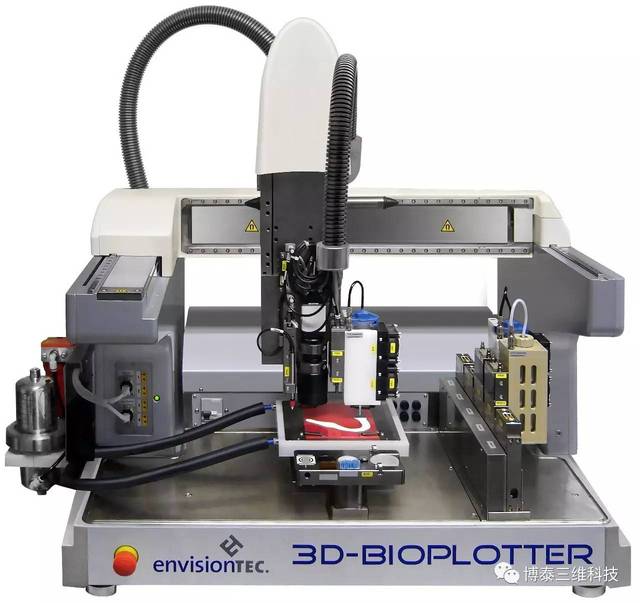
-Metal-polymer composite: used for printing functional parts with electrical conductivity or thermal conductivity.
-Ceramic-resin composite material: suitable for high heat-resistant and wear-resistant parts, commonly used in medical equipment and electronic packaging.
IV. Challenges and development trends
Although composite printing has obvious advantages, it also faces some challenges. For example, it is difficult to control the uniformity of composite materials, and fiber breakage or poor interlayer bonding are prone to occur during printing; At the same time, the high price of special printing equipment limits its popularization.
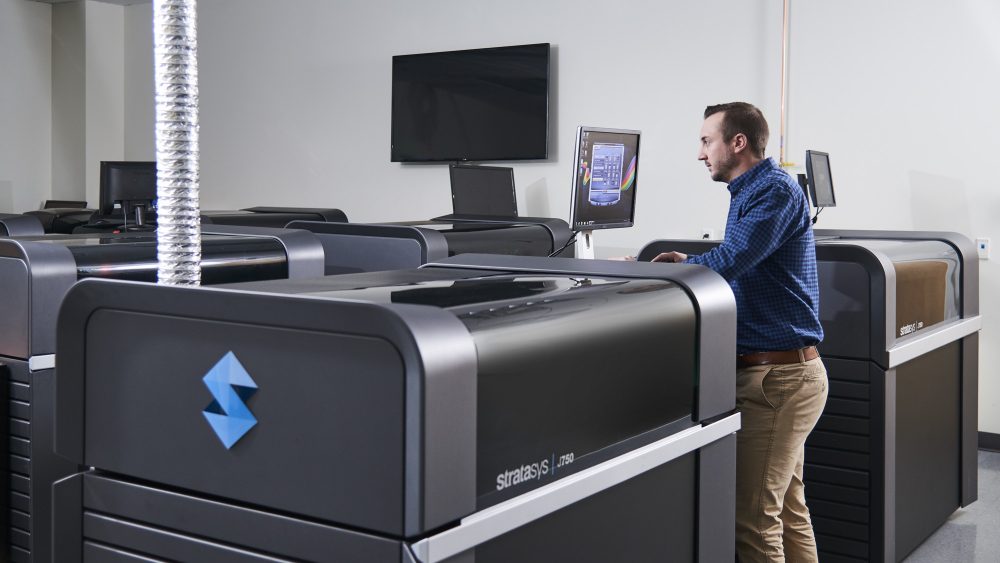
In the future, with the continuous progress of materials science and printer hardware, it is expected that composite materials will realize customized printing with higher precision and stronger performance, and play a greater role in aerospace, biomedical, new energy vehicles and other fields.
V. Conclusion
Composite printing is gradually becoming an important part of advanced manufacturing. It not only expands the application boundary of 3D printing, but also provides new possibilities for rapid manufacturing of high-performance structural parts. It can be predicted that in the near future, composite printing technology will play an increasingly important role in intelligent manufacturing and personalized production.

 Hotline:18914229323

 18914229323
 huichangwen@126.com