Electron Beam Melting (EBM) technology, as an advanced Additive Manufacturing (AM) technology, is widely used in aerospace, biomedical and high-performance parts manufacturing. Its core principle is to scan and melt metal powder layer by layer by using high energy electron beam, so as to realize the rapid prototyping of three-dimensional solid parts. In EBM process, the parameter setting of electron beam directly affects the molding quality, material properties and production efficiency. Therefore, optimizing electron beam parameters is a key link to improve EBM process performance.
Firstly, the accelerating voltage and beam current of electron beam are two core parameters that affect the energy density. High voltage can improve the penetration ability of electron beam and is suitable for processing high melting point metal materials; The beam determines the energy input per unit time. By reasonably adjusting the ratio between them, the depth and width of the molten pool can be effectively controlled, and defects such as incomplete fusion, porosity or excessive melting can be avoided. Generally, for different kinds of metal powders (such as titanium alloy Ti6Al4V, cobalt-chromium alloy, etc.), it is necessary to set different electron beam parameter combinations according to their thermal conductivity and melting point characteristics.
Secondly, the optimization of scanning speed and scanning spacing is also very important to the forming quality. The scanning speed determines the action time of the electron beam on the powder layer. If it is too fast, it may cause local melting, and if it is too slow, it may cause local overheating or even cracks. However, the scanning distance affects the overlap degree between adjacent molten channels. Too large a distance will lead to poor interlayer bonding, while too small a distance may lead to heat accumulation and local deformation. Therefore, in practical application, orthogonal experimental design or response surface analysis is often used to optimize these parameters systematically.
In addition, the adjustment of focusing current is also an important means to optimize the performance of electron beam. The focusing current determines the diameter of the electron beam, and then affects the energy density distribution. By accurately controlling the focusing current, different focusing states can be achieved in different molding stages (such as preheating, contour scanning and filling scanning), thus improving the compactness and surface quality of parts.
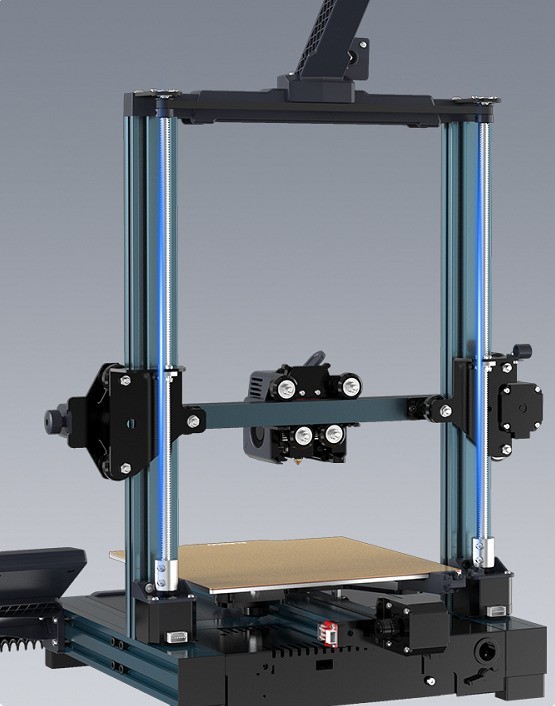
In recent years, with the development of artificial intelligence and big data technology, parameter optimization method based on machine learning algorithm is gradually applied to EBM process. By training a large number of experimental data, a mapping model between parameters and molding quality is established, which can realize intelligent recommendation and adaptive adjustment of electron beam parameters and significantly improve process stability and production efficiency.
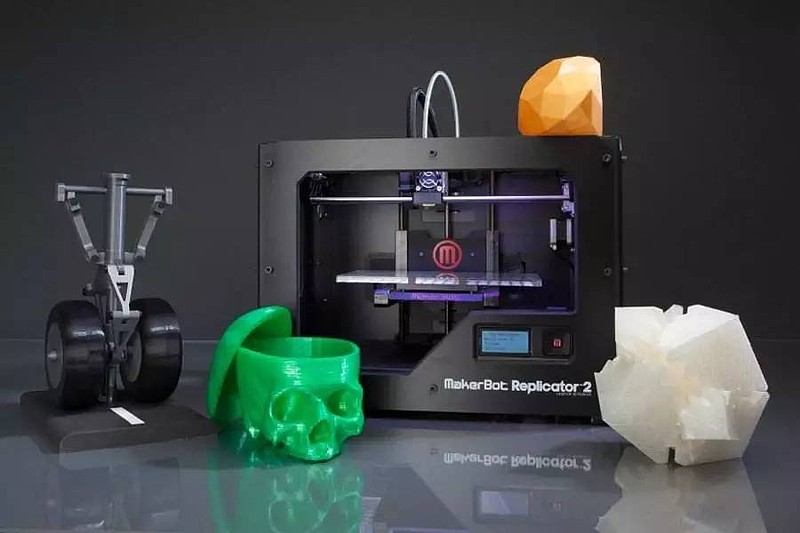
To sum up, the optimization of electron beam parameters in EBM technology not only involves the fine adjustment of basic physical parameters, but also covers the development direction of system design and intelligent control of process strategy. Only through scientific and reasonable parameter combination can we give full play to the advantages of EBM technology and realize high quality and high efficiency metal additive manufacturing.

 Hotline:18914229323

 18914229323
 huichangwen@126.com