With the continuous progress of science and technology, 3D printing technology is gradually changing the face of traditional manufacturing industry, especially in the medical field, showing great potential. Among them, 3D printing is used to make prosthetic structures, which not only improves the personalization of prosthetic limbs, but also greatly reduces the production cost and brings good news to the disabled.
The traditional artificial limb manufacturing process is complex and expensive, and usually requires manual measurement, modeling and assembly by professional technicians, which has a long cycle and high price and is difficult to meet the needs of some patients, especially children. The emergence of 3D printing technology has broken this limitation. Through digital modeling and high-precision printing equipment, the customization and production of artificial limbs can be completed quickly and at low cost.
First of all, the manufacturing process of 3D printed prosthesis usually includes the following steps: scanning, modeling, printing and assembly. Doctors or technicians will use a 3D scanner to accurately scan the patient's limb stump to generate a 3D digital model. Then, using computer aided design (CAD) software, personalized design is carried out according to the model, and the structure is optimized to enhance comfort and functionality. Finally, use biocompatible printing materials (such as PLA, ABS, nylon, etc.) for printing, and complete assembly and debugging.
Secondly, 3D printed prostheses have many advantages. The first is personalized customization. Everyone's limb stump shape and use requirements are different. 3D printing can be accurately designed according to individual differences to improve wearing comfort. Second, it is light and flexible. Compared with traditional metal or resin materials, 3D printing materials are lighter and convenient for daily use. Third, the cost is low. Traditional prostheses cost thousands or even tens of thousands of yuan, while the cost of 3D printed prostheses can be greatly reduced, especially suitable for children-they grow rapidly and need to change prostheses frequently. In addition, open source design and community collaboration have also promoted the popularization of technology.
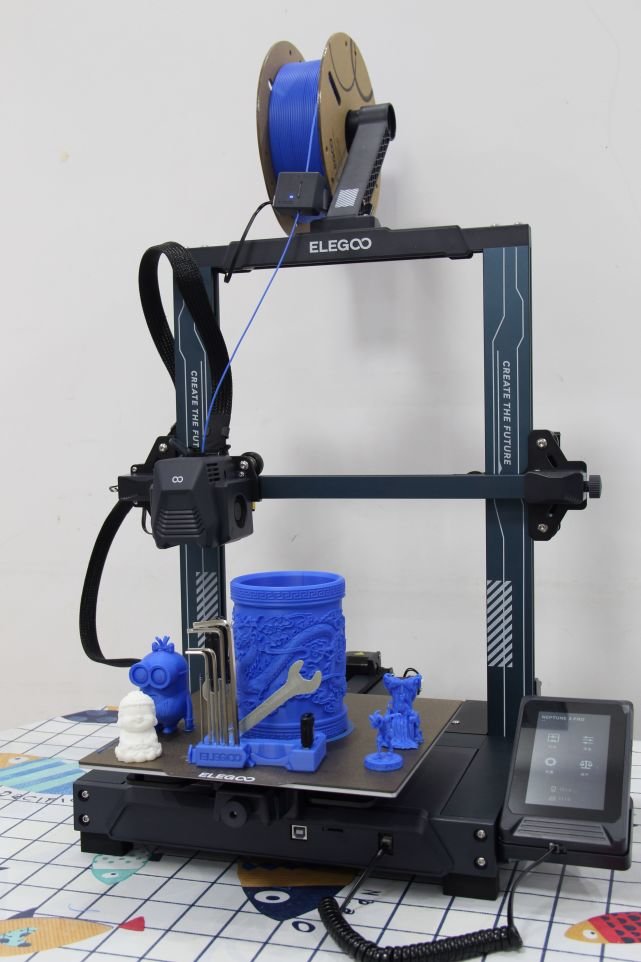
It is worth mentioning that in recent years, some non-profit organizations and technical teams have cooperated to share the design drawings of 3D printed prostheses through open source platforms, so that patients in remote areas or with limited economic conditions can also get help. For example, the "e-NABLE" community is a 3D printed prosthetic project in which volunteers from all over the world participate, providing free or low-cost robots for countless children.
Of course, there are also some challenges in 3D printed prostheses, such as material strength, load-bearing capacity and the realization of complex functions, which still need further research and improvement. But it is undeniable that this technology is bringing revolutionary changes to the field of medical rehabilitation.

To sum up, the application of 3D printing technology in the fabrication of prosthetic structures not only improves the efficiency and quality, but also brings hope and convenience to more patients. With the continuous development of technology, 3D printing is expected to play a greater role in high-end intelligent prostheses in the future, helping mankind to achieve a better life.

 Hotline:18914229323

 18914229323
 huichangwen@126.com