With the continuous progress of science and technology, 3D printing technology has moved from the laboratory to thousands of households and has become an indispensable part of modern manufacturing and creative design. Especially in the field of home decoration, 3D printing, with its characteristics of personalization, low cost and high efficiency, provides people with brand-new decoration methods and unlimited creative possibilities.
I. Introduction of 3D printing technology
3D printing, also known as Additive Manufacturing, is a technology to manufacture three-dimensional objects by stacking materials layer by layer. Compared with traditional manufacturing methods, 3D printing can quickly convert design drawings into objects without molds, which is especially suitable for small batch and personalized production requirements.
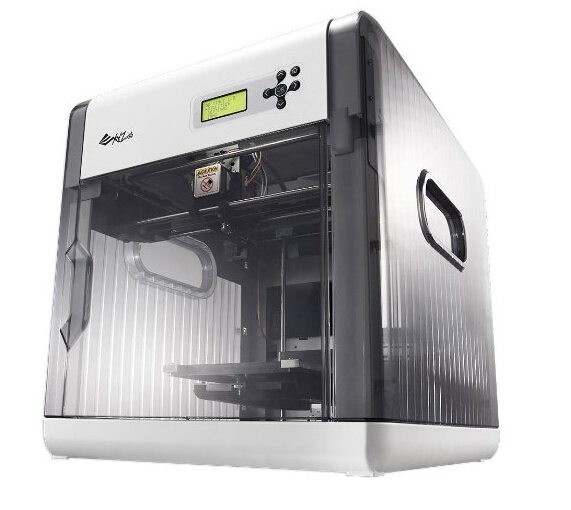
In home decoration, 3D printing can use a variety of materials, such as PLA (polylactic acid), ABS (acrylonitrile butadiene styrene), resin, etc., to produce various styles of decorations, including vases, lampshades, wall hangings, ornaments and so on.
Second, the application of 3D printing in home decoration
1. Customized design
The biggest advantage of 3D printing lies in its high degree of customization. Users can freely design details such as the shape, size and texture of decorations through 3D modeling software, and even tailor them according to the overall style of the room. For example, the simple lines of Nordic style and the carved patterns of retro style can all be realized by 3D printing.
2. Making complex structures
Many complex structures or fine carvings that are difficult to achieve by traditional processes can be easily completed by 3D printing. For example, hollowed-out lampshades and three-dimensional relief decorative plates are not only beautiful, but also show unique artistic effects.
3. Environmental protection and sustainability
3D printing adopts the method of on-demand production, which reduces the waste of materials, and many printed materials are recyclable, which meets the requirements of modern home for environmental protection and sustainable development.
4. Low cost and high efficiency
For ordinary consumers, after buying an entry-level 3D printer, they can make decorations at home, which saves the cost of middlemen and mass production. At the same time, once the design is completed, the printing process usually takes only a few hours, which is much more efficient than traditional manual production.
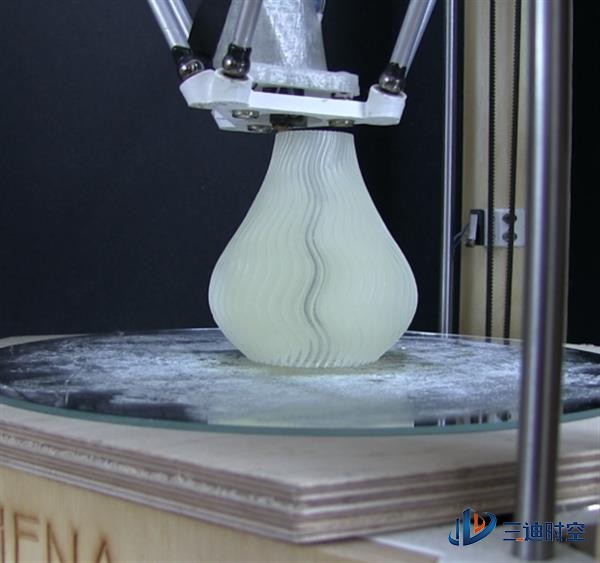
Third, 3D printing home decoration examples
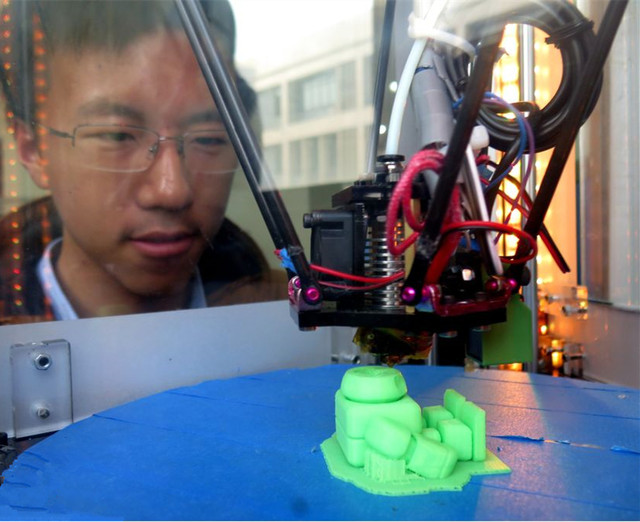
Taking 3D printing lamps as an example, designers can first create a unique lampshade model with modeling software, and adjust the light transmittance and shadow effect through parameters. Then, import the model file into a 3D printer for printing, and the material can be translucent PLA or photosensitive resin. After printing, you only need to install the bulb and lamp holder, and you can get a home decoration that is both practical and artistic.
In addition, daily necessities such as wall decoration paintings, vases and storage boxes can also be completed by 3D printing, which is both beautiful and practical.
Fourth, the future outlook
With the continuous maturity of 3D printing technology and the diversification of materials, it will be more widely used in the field of home decoration. Combined with emerging technologies such as artificial intelligence and Internet of Things, 3D printing in the future is expected to realize "one-click customization+automatic printing" intelligent decorator pattern, which will bring consumers a more convenient and personalized home experience.
tag
3D printing technology not only provides new possibilities for home decoration, but also changes the way people participate in design and production. It enables everyone to become an artist of life, decorate space with creativity and beautify life with technology. In the future, 3D printing will surely occupy an increasingly important position in the home decoration industry.

 Hotline:18914229323

 18914229323
 huichangwen@126.com