With the continuous development of science and technology, 3D printing technology is gradually infiltrating into all walks of life, especially in the field of fashion design, showing amazing creativity and practicality. 3D printing can not only be used to make complex structural models, but also be widely used in the design and production of clothing accessories, injecting new vitality into the traditional fashion industry.
3D printing is a technology to manufacture three-dimensional objects by stacking materials (such as plastic, metal, resin, etc.) layer by layer. Compared with traditional manual production or mold production, it has higher precision, stronger design freedom and faster production cycle. These advantages make 3D printing an ideal choice for making clothing accessories, especially for making personalized accessories such as necklaces, earrings, bracelets, belts and brooches.
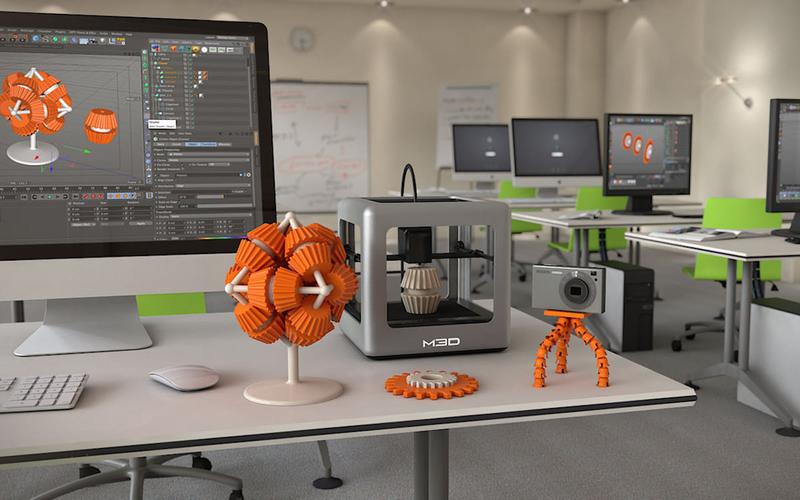
First of all, 3D printing can achieve complex modeling that is difficult to complete with traditional technology. Designers can use computer modeling software (such as Blender, Tinkercad, Rhino, etc.) to create accessories models with artistic sense and futuristic sense. These models often have hollow, geometric structures or bionic forms, which are very visually impactful. For example, Iris van Herpen, a Dutch designer, has used 33D printing technology to make a series of accessories that resemble natural growth structures, subverting people's cognition of traditional fashion accessories.
Secondly, 3D printing provides the possibility for personalized customization. Every consumer's body shape, preferences and styles are different, and 3D printing can be easily customized to meet the individual needs of different consumers. For example, necklaces or bracelets can be accurately printed according to the size of the customer's neck and wrist to ensure the comfort and fit. In addition, accessories with corresponding materials and colors can be matched according to the overall style of clothing to achieve the consistency and coordination of the overall modeling.
Furthermore, from the perspective of sustainable development, 33D printing also has its environmental advantages. Traditional accessories manufacturing often produces a lot of scrap and waste, while 3D printing adopts the method of "additive manufacturing", using only the required materials, which greatly reduces the waste of resources. At the same time, the application of some environmentally-friendly printing materials (such as PLA bioplastics) also makes 3D printing more in line with modern green design concepts.
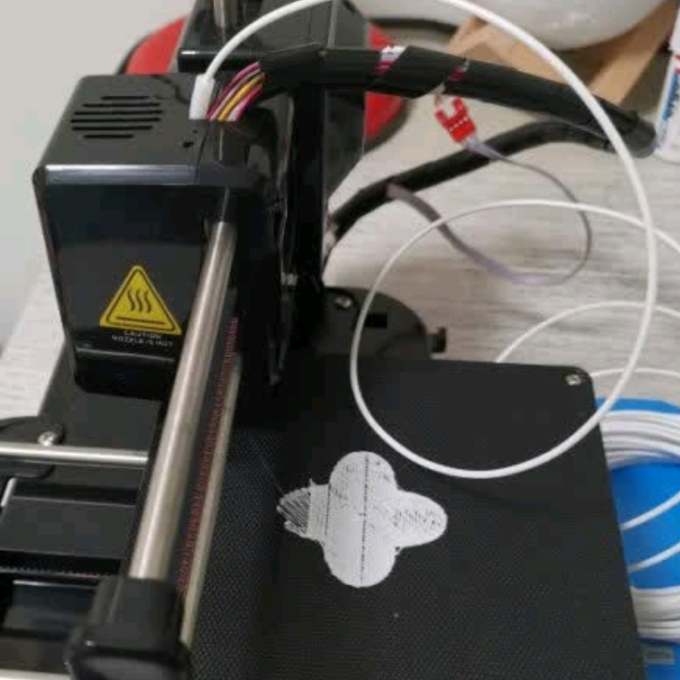
Of course, the application of 3D printing in the field of clothing accessories also faces some challenges, such as the diversity of materials, cost control and the efficiency of mass production. But with the continuous progress of technology, these problems are gradually being overcome.
To sum up, 3D printing technology is changing the traditional way of making clothing accessories, which not only improves the creative space of design, but also provides a new solution for personalized customization and sustainable fashion. In the future, with the addition of more designers and brands, 3D printing will surely play a more important role in the fashion industry and push the whole industry to a new stage of digitalization and intelligence.

 Hotline:18914229323

 18914229323
 huichangwen@126.com