3D printing, also known as Additive Manufacturing, is a process of building three-dimensional objects by stacking materials layer by layer. Different from traditional material-reducing manufacturing, 3D printing can directly "print" parts according to digital models, without complicated molds and a lot of material waste. This feature is particularly attractive in the aerospace field.
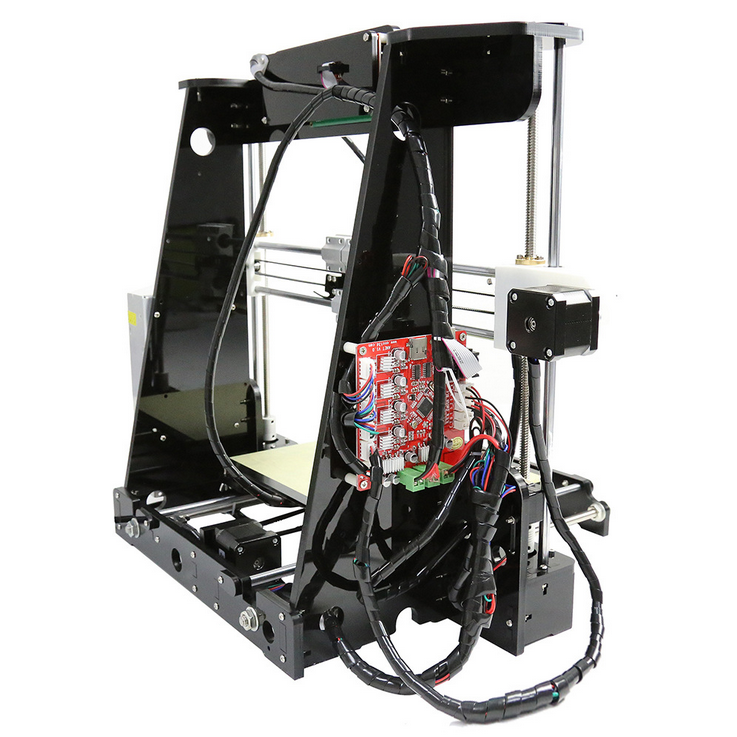
First of all, 3D printing can create complex geometric structures that are difficult to achieve by traditional processes. For example, components such as cooling passages and fuel nozzles in aerospace engines often need very fine internal structures to improve combustion efficiency and thermal management capabilities. It is difficult to design and manufacture these structures by traditional casting or machining methods, while 3D printing can easily realize integrated molding, improve performance and reduce the number of parts.
Secondly, 3D printing helps to reduce the weight of aerospace components. Lightweight is one of the important goals of aerospace design. By optimizing the design and combining with high-strength lightweight materials such as titanium alloy and nickel-based superalloy, 3D printing can make the best use of materials and make light and strong parts. For example, GE Aviation Group successfully manufactured the fuel nozzle of LEAP engine by using 3D printing technology, which reduced its weight by 25% and increased its strength by 5 times.
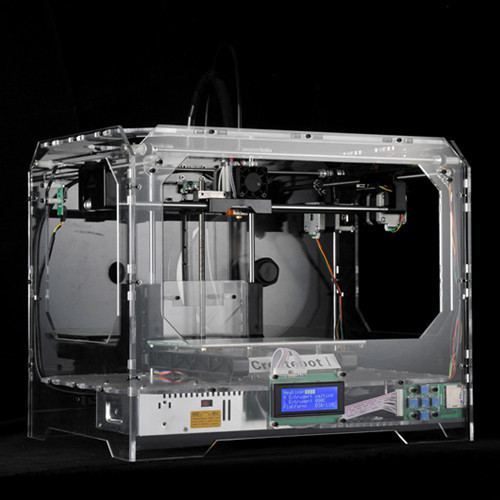
In addition, 3D printing has greatly shortened the development cycle and production time. In traditional manufacturing, it may take weeks or even months to make a complex part. Using 3D printing technology, engineers can complete the process from design to finished product in a few days, which greatly improves the innovation speed and the ability to cope with urgent needs.
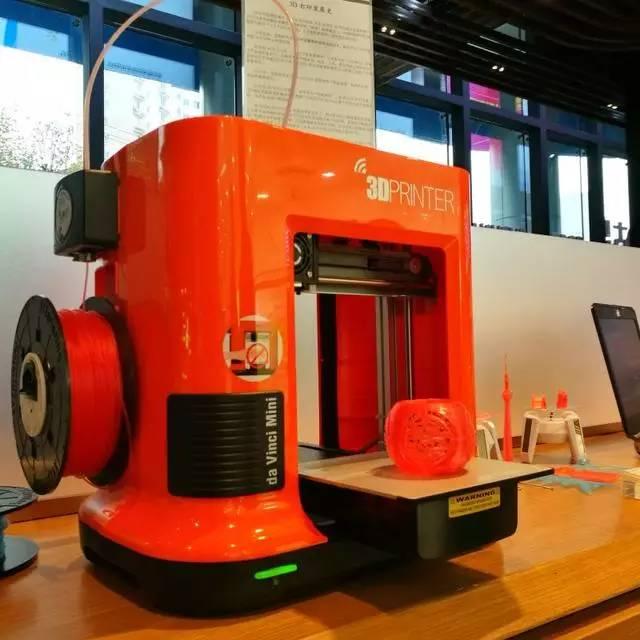
It is worth mentioning that 3D printing also has the advantage of sustainable development. It reduces the waste of raw materials, reduces the inventory cost, supports on-demand manufacturing, and helps aerospace enterprises achieve the goal of green manufacturing.
In short, 3D printing is bringing revolutionary changes to the aerospace industry. It not only improves the performance and reliability of components, but also promotes the leap of design innovation and manufacturing efficiency. With the continuous maturity of related technologies, 3D printing will play a more critical role in the aerospace field in the future, helping mankind to explore a broader sky and universe.

 Hotline:18914229323

 18914229323
 huichangwen@126.com