First of all, the choice of materials is one of the key factors to improve wear resistance. At present, commonly used 3D printing materials include PLA, ABS, PETG, nylon, TPU and so on. Among them, polyamide (such as nylon 6) and polyurethane (such as TPU) are widely used in the manufacture of parts that need wear resistance because of their good wear resistance and flexibility. In addition, some high-performance engineering plastics, such as PEEK and ULTEM, not only have excellent heat resistance and mechanical strength, but also have excellent wear resistance, which plays an important role in the high-end manufacturing field.
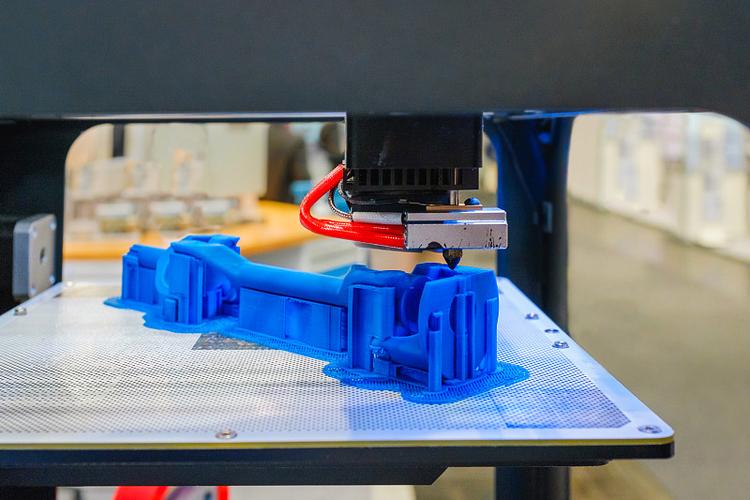
Secondly, the wear resistance of printed parts can also be significantly improved by material modification. For example, adding fillers such as graphite, molybdenum disulfide (MoS₂), carbon fiber or glass fiber to the base resin can effectively reduce the friction coefficient and enhance the wear resistance of the material. These additives can not only improve the physical properties of materials, but also play a lubricating role in the friction process, thus prolonging the service life of parts.
Thirdly, the optimization of printing parameters also has an important influence on wear resistance. Reasonable parameters such as printing temperature, layer thickness, filling rate and printing speed can effectively improve the density and surface smoothness of printed parts, thus reducing the occurrence of wear. For example, properly increasing the bonding strength between layers can avoid delamination during friction; However, using higher filling rate can enhance the stability of the structure and improve the wear resistance.
In addition, the post-treatment process is also an important means to improve the wear resistance. Common post-treatment methods include polishing, coating treatment and heat treatment. Polishing can reduce surface roughness and friction resistance; Coatings such as molybdenum disulfide spraying and DLC (diamond-like carbon) coating can significantly improve the surface hardness and lubrication performance; Proper heat treatment is helpful to eliminate internal stress and improve the crystal structure of the material, thus further improving the wear resistance.
Finally, design optimization can not be ignored. Reasonable design can reduce the stress concentration of friction contact surface and optimize the stress distribution, thus delaying the occurrence of wear. For example, through the lightweight design of the structure and the material reinforcement of key parts, the goal of reducing weight and ensuring wear resistance can be achieved.
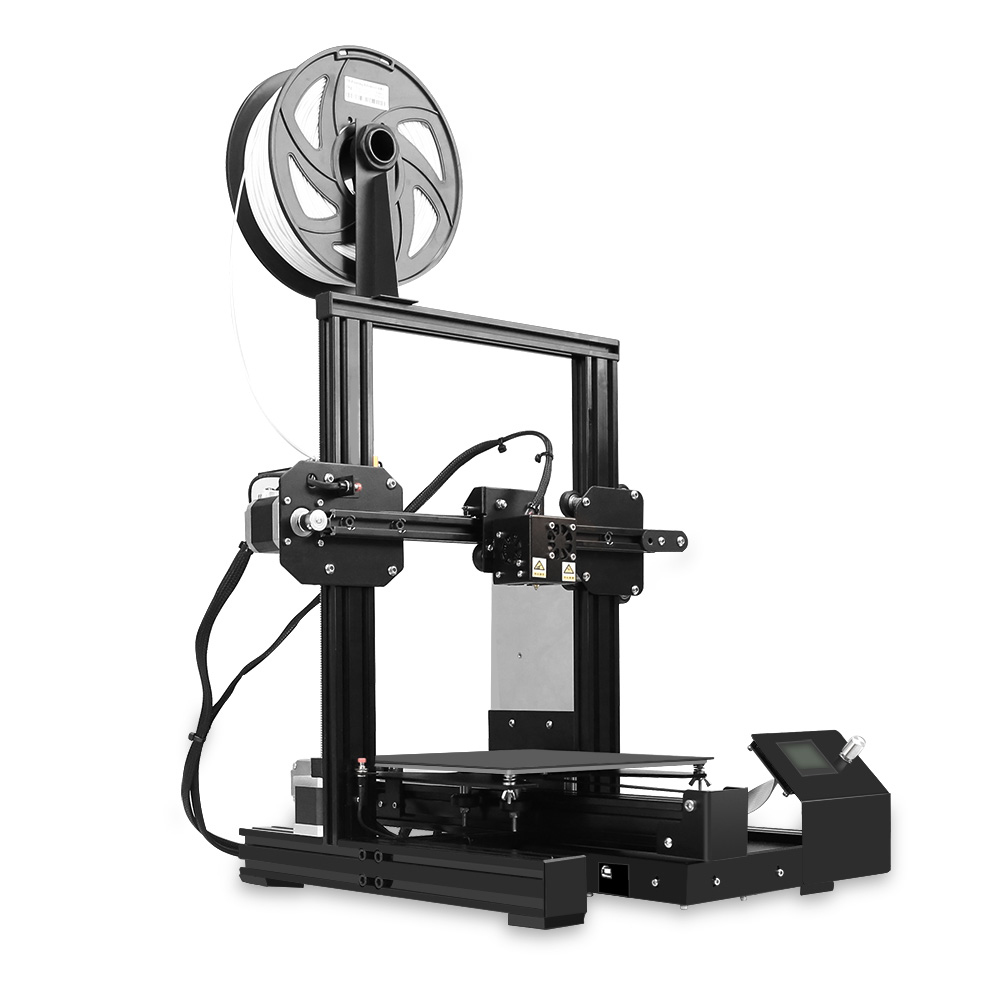
To sum up, improving the wear resistance of 3D printed parts needs comprehensive consideration and improvement from material selection, material modification, printing parameter optimization, post-processing technology and structural design. With the continuous progress of material science and printing technology, there will be more room for improving the wear resistance of 3D printed parts in the future, providing reliable solutions for more demanding application scenarios.

 Hotline:18914229323

 18914229323
 huichangwen@126.com