Layer Lines are a common phenomenon in many fields, such as industrial manufacturing, 3D printing and architectural decoration. Especially in 3D printing technology, due to the principle of layer-by-layer stacking, layering often affects the appearance quality and surface smoothness of finished products. The obvious lamination not only affects the appearance, but also may affect the functionality of the product. Therefore, it is an important subject to explore how to effectively improve the layering problem and improve the product quality.
First, optimize the printing parameter settings
The formation of lamination is closely related to printing parameters. First of all, lowering the Layer Height is one of the most direct and effective methods. Smaller layer thickness means that the height difference between each layer is smaller, and the visual layering will be more subtle. For example, adjusting the standard height of 0.2mm to 0.1mm can significantly improve the surface quality.
Secondly, it is also very important to adjust the printing speed and temperature. Too fast printing speed may lead to insufficient filling or adhesion of materials, thus aggravating the difference between layers. Properly reducing the moving speed of the print head and keeping the nozzle temperature stable is helpful to improve the interlayer bonding force and reduce the visual impact of lamination.
Second, reasonable selection of printing consumables
Different kinds of printing materials also have influence on the performance of lamination. For example, PLA material is easier to obtain a smooth surface when printing because of its good interlayer adhesion; Although ABS has high strength, it is easy to cause interlayer separation because of its large cooling shrinkage. Therefore, under the premise of meeting the product performance requirements, choosing materials with good fluidity and low shrinkage is the key to improve the lamination.
Third, the application of post-processing technology
In addition to optimizing parameters and materials in the printing process, post-processing is also an effective means to improve layering. Common post-processing methods include:
-Grinding and polishing: The obvious layering can be effectively removed by grinding with sandpaper step by step and using polishing paste.
-Chemical treatment: Some materials, such as ABS, can be treated by acetone vapor, so that the surface layer can be slightly dissolved and re-fused, thus eliminating lamination.
-Coating treatment: spraying primer or putty before polishing can further improve the surface smoothness and smoothness.
Four, the use of advanced printing technology and equipment
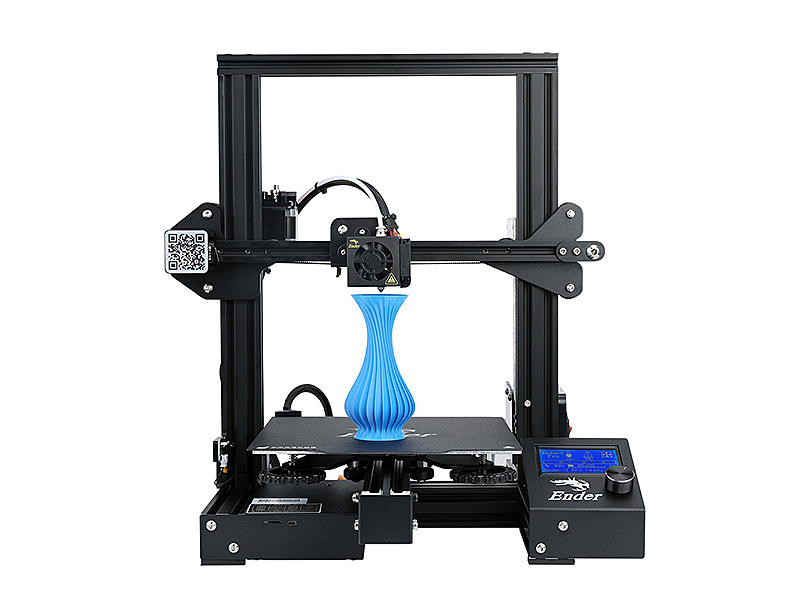
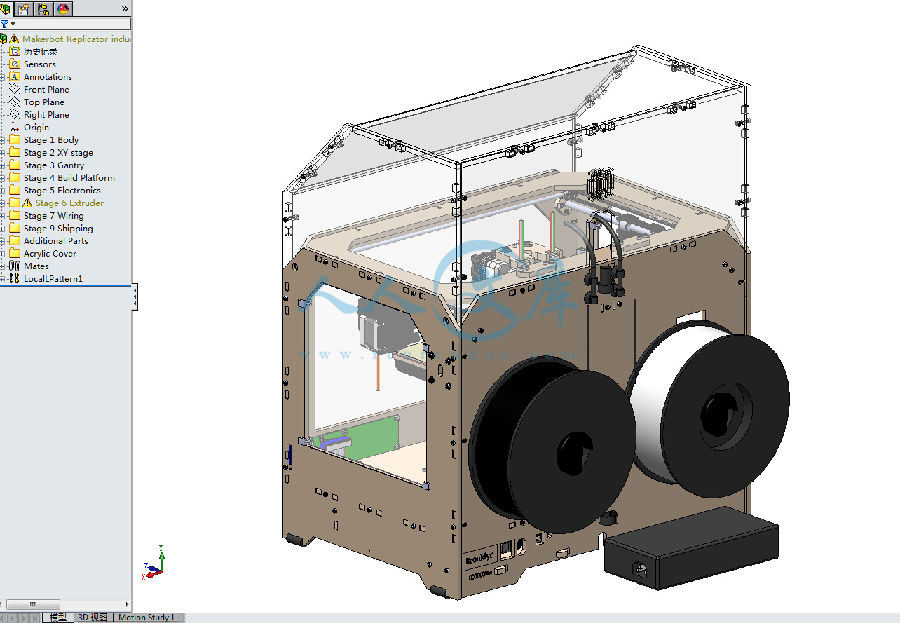
With the development of technology, more and more advanced printing technologies are applied to reduce the problem of lamination. Such as DLP (Digital Light Processing) and SLA (Stereolithography), which use ultraviolet light to cure the whole layer, can obtain a smoother surface effect than FDM line-by-line printing. In addition, some high-end FDM devices are equipped with automatic leveling, closed printing cabin and other designs, which helps to maintain a stable printing environment, thus reducing the generation of lamination.
tag
To sum up, the lamination problem is an important factor affecting the printing quality and product appearance, but it can be significantly improved by reasonable parameter setting, high-quality material selection, effective post-processing means and the use of advanced equipment. In the future, with the continuous emergence of new materials and technologies, the control of lamination will be more precise, which will provide a solid guarantee for manufacturing higher quality products.

 Hotline:18914229323

 18914229323
 huichangwen@126.com