With the continuous development of 3D printing technology, it has been widely used in the fields of electronics, medical care, aerospace and so on. However, traditional 3D printing materials, such as PLA and ABS, are usually insulators, which limits their application in the manufacture of conductive parts. Therefore, how to improve the conductivity of 3D printed parts has become one of the hot spots in current research.
First of all, the most direct way to improve the conductivity of 3D printed parts is to use conductive materials for printing. At present, there are many kinds of conductive composites on the market, such as plastic wires containing carbon nanotubes (CNT), graphene or metal powder. These materials significantly improve the conductivity of printed parts by adding conductive fillers to the substrate. For example, graphene is widely used in conductive 3D printing because of its excellent electrical conductivity and mechanical strength. In addition, metal powders such as silver and copper are also used to make conductive ink, which is suitable for the preparation of flexible electronics and sensors.
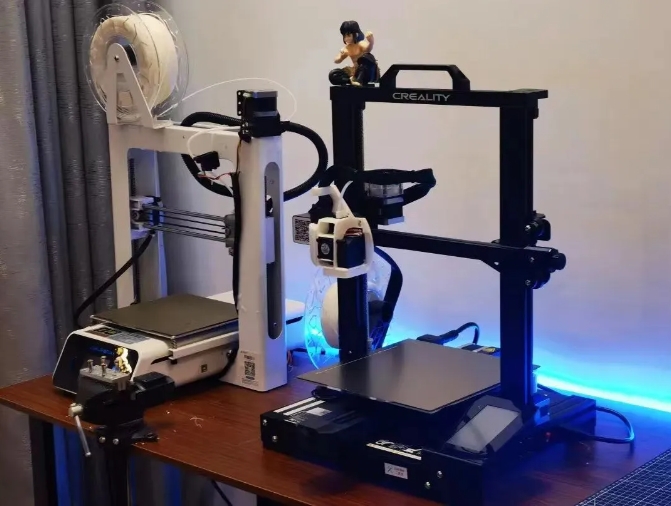
Secondly, optimizing printing parameters is also very important for improving conductivity. Parameters such as printing temperature, layer thickness, filling rate and nozzle speed will affect the distribution of conductive fillers and the compactness of materials. For example, properly increasing the printing temperature is helpful to improve the fluidity of materials and make conductive particles more evenly distributed in printed parts; However, increasing the filling rate can reduce the internal void and enhance the continuity of the conductive path, thus improving the overall conductive performance.
In addition, in the post-printing treatment, the conductivity can be further improved by some technical means. For example, hot pressing or chemical reduction of printed parts is helpful to remove impurities from materials and enhance the contact between conductive fillers. For materials containing metal particles, sintering process can also be used to closely combine the particles to form a more stable conductive network.
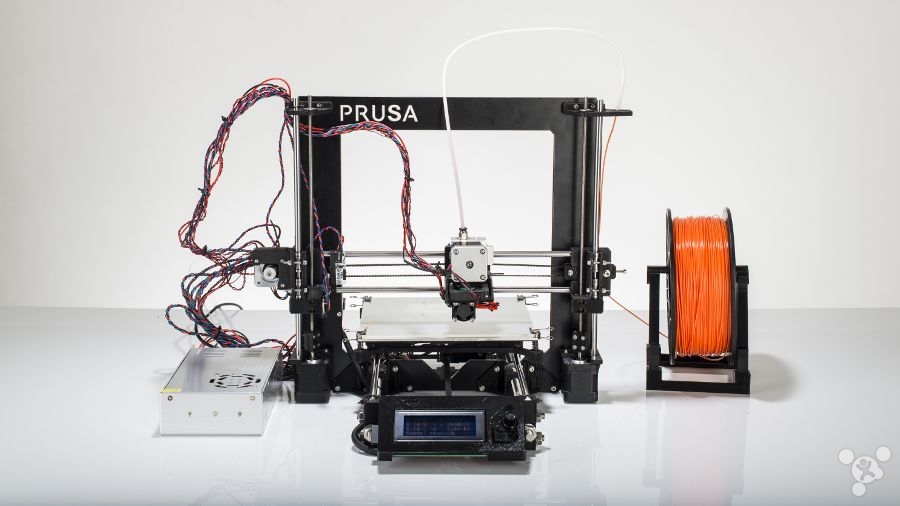
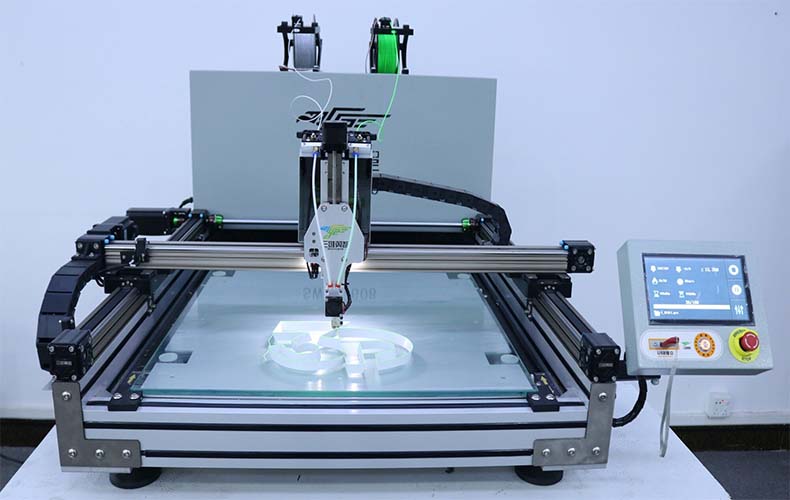
It is worth mentioning that in recent years, multi-material printing and structural design have also become a new direction to improve conductivity. By accurately controlling the spatial distribution of conductive materials and other materials, a specific conductive route can be constructed in printed parts, thus realizing the integrated manufacturing of complex electronic components. This "printing is manufacturing" mode has greatly expanded the application prospect of 3D printing in electronic equipment manufacturing.
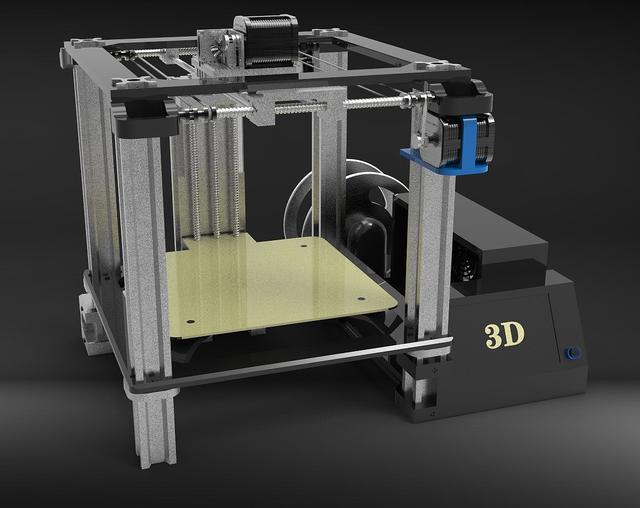
To sum up, there are many ways to improve the conductivity of 3D printed parts, from material selection to printing parameter optimization to post-processing and structural design, and each step has an important impact on the final performance. With the continuous progress of material science and printing technology, 3D printing will play a greater role in the manufacture of conductive functional parts in the future, bringing new development opportunities for smart electronics, wearable devices and other fields.

 Hotline:18914229323

 18914229323
 huichangwen@126.com